What Makes a Toothache Seem Worse at Night?
 By Dr. David Magid2 Minutes Read
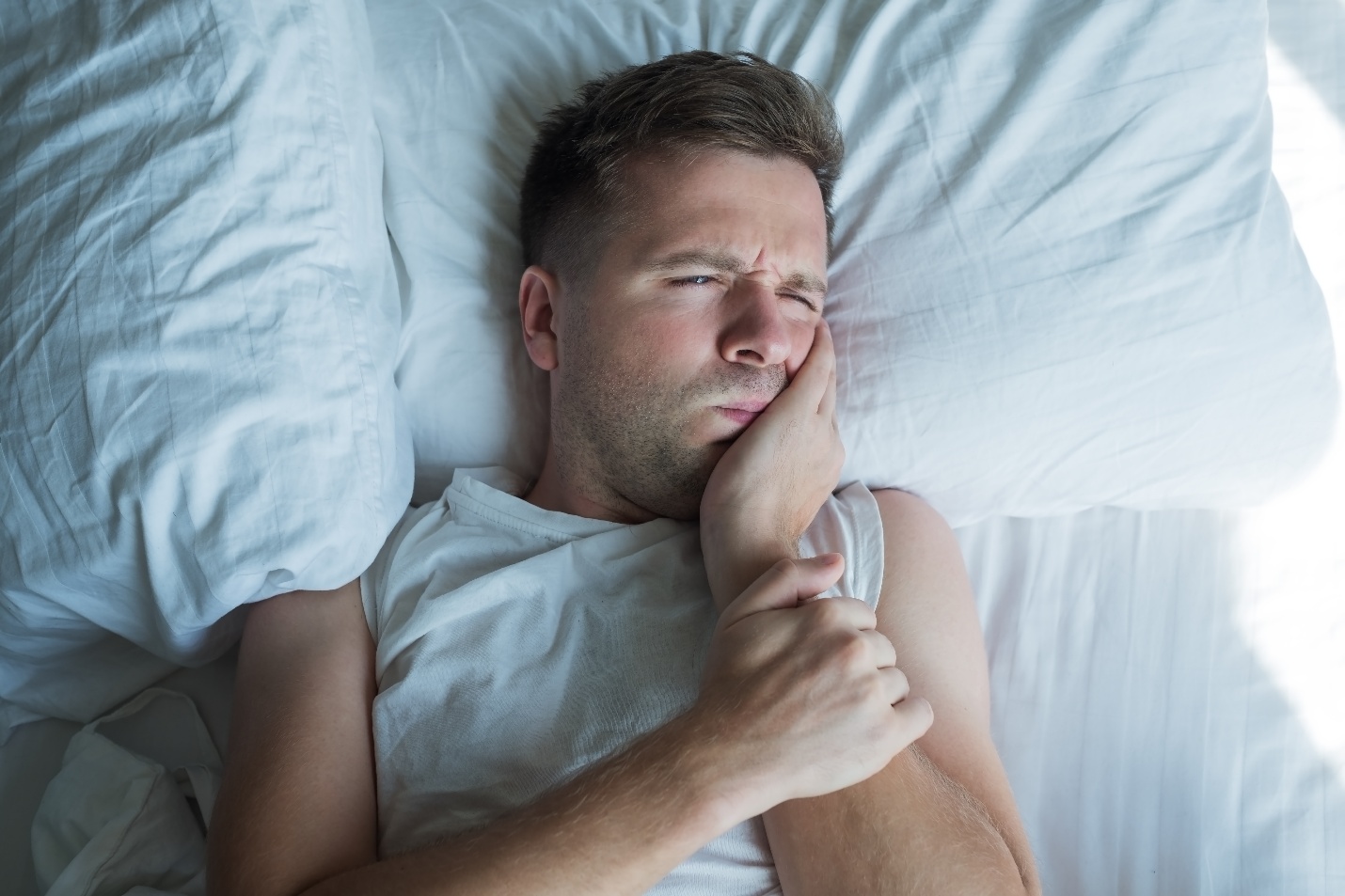
Toothaches during the day while you’re trying to get through your to-do list is bad enough, but lying in bed with one can feel like torture. You may wonder, “Is it just me, or does this thing feel worse?” It’s not all in your head. Here are a few reasons why your toothache might hurt worse at night and how to know when it’s an emergency.
Lying Down Can Increase Pressure
One reason a toothache may feel worse at night is your sleeping position. When you lie flat, changes in blood flow and pressure around your head may make existing dental inflammation feel more noticeable.
If your tooth has deep decay, an inflamed dental pulp, or an infection, this added discomfort can make it difficult to fall asleep. Try elevating your head with an extra pillow while resting.
Dental Infections Can Cause Persistent Pain
A severe toothache that worsens at night may indicate an underlying problem, such as advanced tooth decay, pulp inflammation, or a dental abscess. When bacteria reach the inner portion of a tooth, inflammation can develop and cause significant pain.
Other warning signs may include swollen gums, facial swelling, sensitivity to temperature, a bad taste in your mouth, or fever. A dental abscess requires prompt professional treatment and will not be resolved simply by taking pain medication.
If you experience severe tooth pain, contact an emergency dentist as soon as possible.
Fewer Distractions
During the day, work, conversations, and daily responsibilities can distract you from dental discomfort. At night, when your surroundings become quiet, you’re more likely to notice pain that might otherwise go undetected.
Clenching or grinding your teeth during sleep can also aggravate an already sensitive tooth or strain your jaw muscles. If you frequently wake up with jaw soreness, headaches, or tooth sensitivity, discuss these symptoms with your dentist.
Nighttime Habits May Aggravate Tooth Pain
Eating sugary snacks before bed, drinking acidic beverages, or neglecting your evening oral hygiene routine can contribute to dental problems over time. If decay has already developed, sweet, hot, or cold foods and drinks may trigger discomfort.
To help manage symptoms temporarily, rinse gently with warm saltwater, avoid foods that trigger pain, and consider an appropriate over-the-counter pain reliever according to its label.
When It’s an Emergency
A toothache that repeatedly wakes you up, causes severe pain, or persists despite home care deserves prompt dental attention. Early treatment may prevent a manageable problem from becoming more complicated.
Don’t wait for the morning if you have severe pain, facial swelling, or signs of infection. An emergency dentist can identify the cause and recommend appropriate treatment, which may include a filling, root canal, or drainage of an abscess.
Don’t let nighttime tooth pain go untreated. Prompt professional care can relieve discomfort, protect your oral health, and help you return to restful nights.
About the Author
West Caldwell dentist Dr. David Magid graduated from the University of Pennsylvania School of Dental Medicine and completed a 1-year residency at Columbia University. He’s also earned Fellowship status in the American Academy of Implant Dentistry and now has more than 20 years of experience practicing dentistry. For emergency assistance, call us at (973) 227-9211 so we can schedule a same-day appointment, or contact us online.
About the Author
Dr. David Magid has more than 25 years of experience in dentistry and provides personalized care across general, cosmetic, and implant dentistry.
Dr. Magid combines comprehensive dental care with modern technology and an individualized approach to help patients maintain healthy, confident smiles.