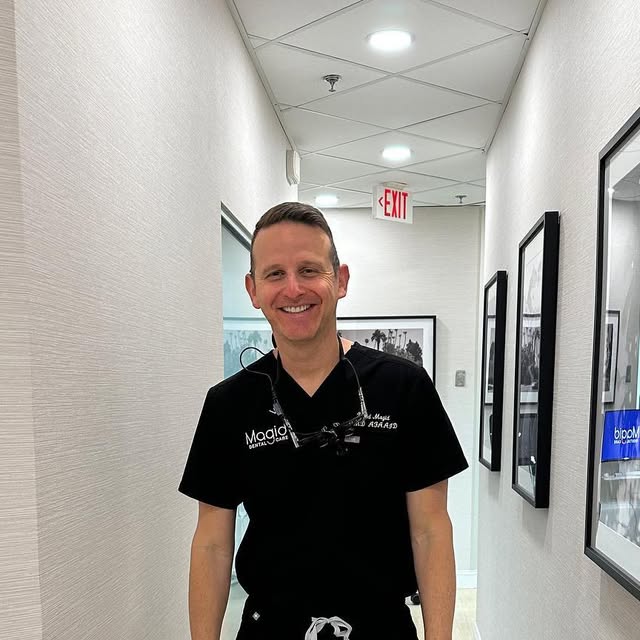
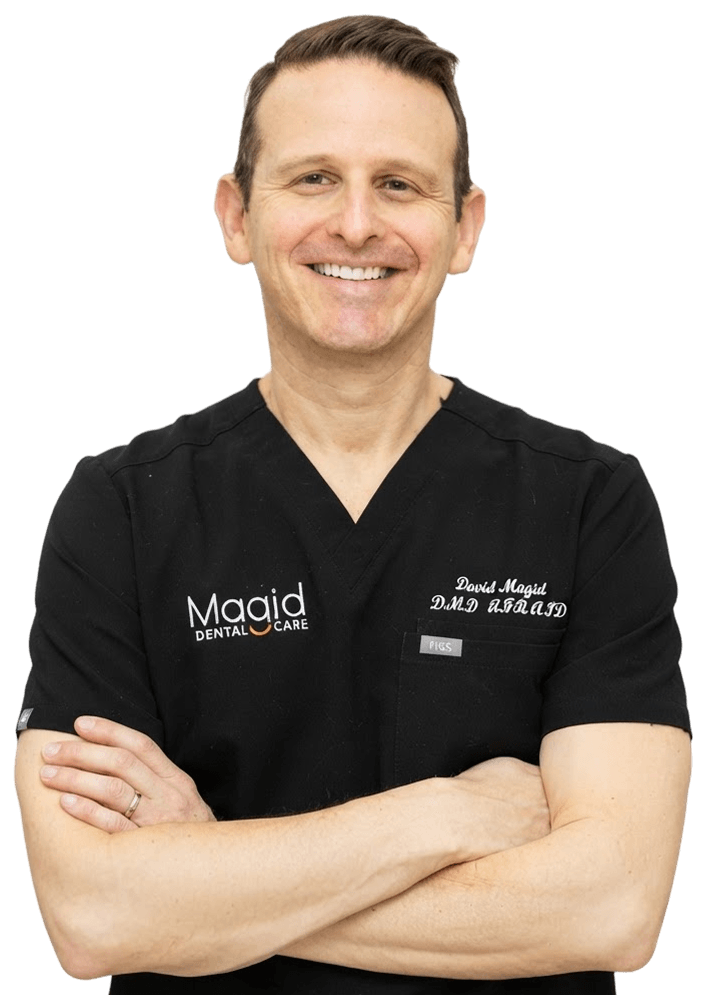
Dr. David Magid
DMD, AFAAID
A University of Pennsylvania School of Dental Medicine graduate with more than 25 years in practice, a 2-year implant residency, and AAID Associate Fellow status since 2021. He places and restores implants.
Learn MoreWest Caldwell, NJ
An implant that hurts, feels loose, or has swollen gums needs a look. Dr. David Magid, DMD, scans the implant, tells you plainly what is wrong, and treats it here. Same-day visits are available.
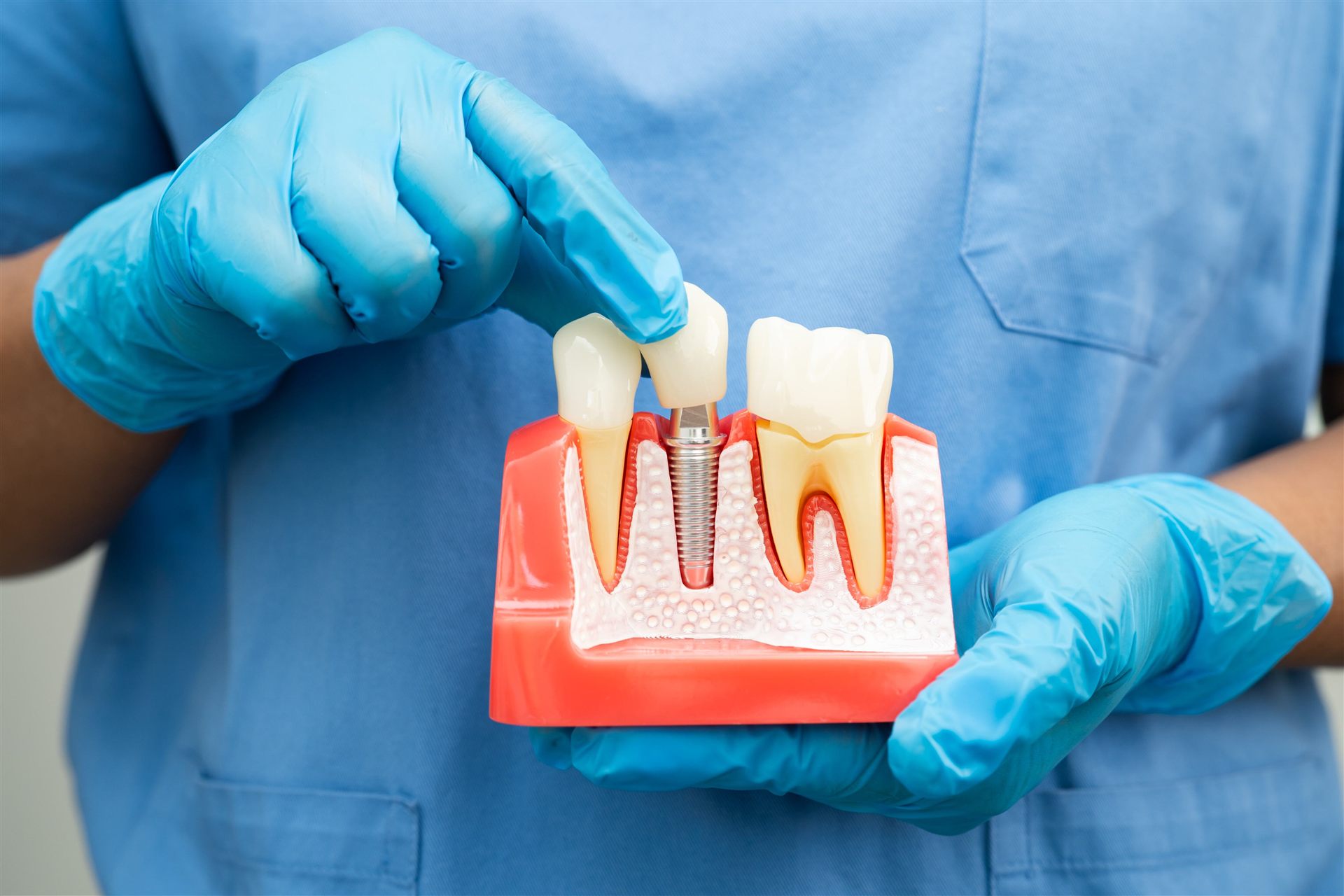
Failed Implants
Watch for pain or tenderness that should have settled long ago, swollen or bleeding gums, pus, a bad taste, gum pulling back so metal shows, a crown that wobbles, or an implant that moves when you press it. Any one of these is a reason to call. A healed implant should feel like a normal tooth, so any change you can feel, even years later, is worth a scan.
The usual cause is peri-implantitis, a gum infection that wears away the bone around the implant. Grinding, a heavy bite, smoking, and uncontrolled diabetes can also play a part. A cone beam CT scan shows how much bone is left, and if caught early, the fix is often simple.
Usually, yes, and often the implant does not need replacing at all. A loose crown is tightened or remade, and early infection is treated by cleaning the implant and the gum, with a nightguard if grinding is the cause. When the implant has lost its grip, Dr. Magid removes it, grafts the socket to rebuild the bone, and places a new implant after healing, usually within three to six months.
An implant placed at another office is welcome here for a second opinion. Bring any records or X-rays you have. You leave with a plain answer on what is wrong, what it will take to fix, and the cost before anything is done.
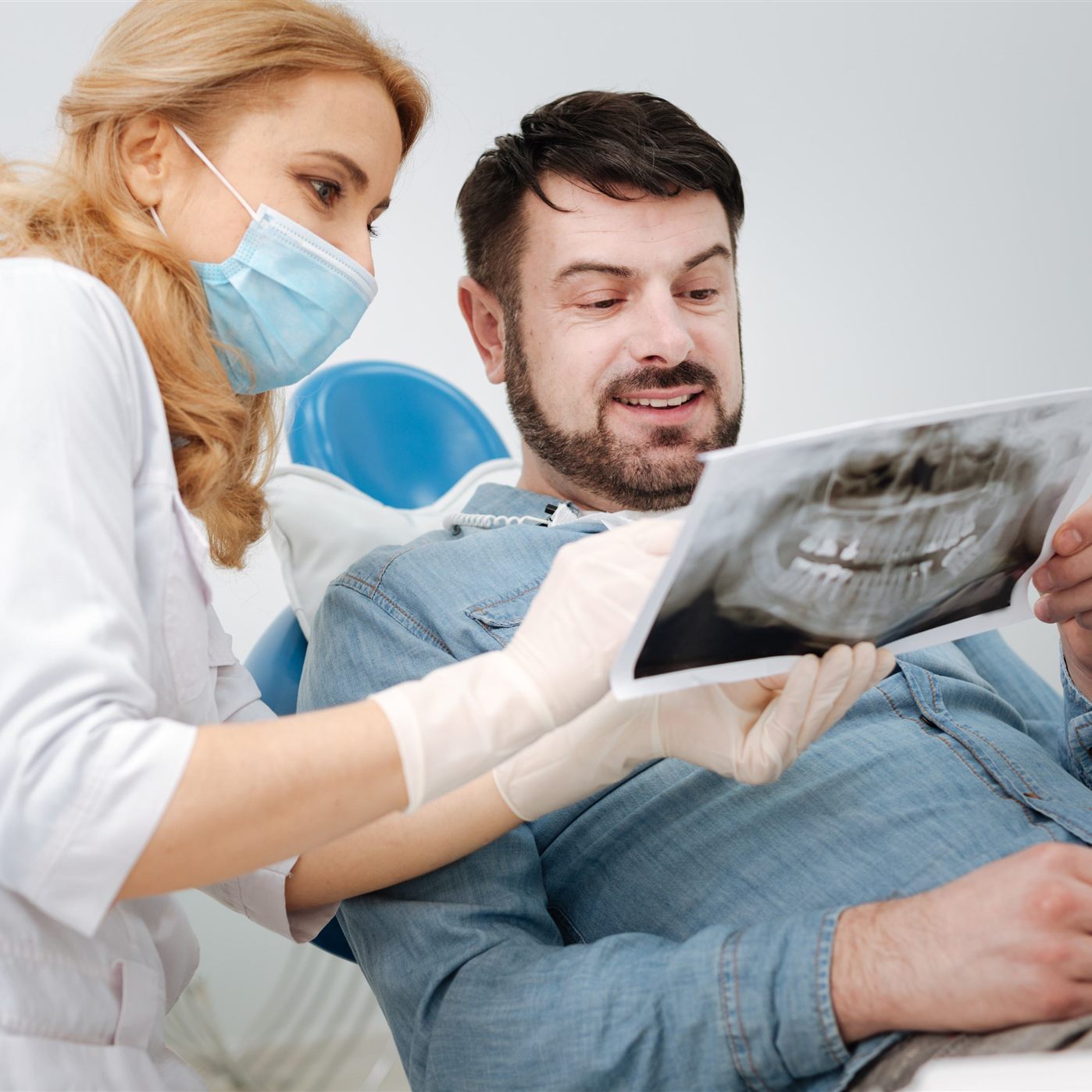
A Different Dental Experience
The dentist who finds the problem also treats it, and the same team keeps your implant healthy.
DMD, AFAAID
A University of Pennsylvania School of Dental Medicine graduate with more than 25 years in practice, a 2-year implant residency, and AAID Associate Fellow status since 2021. He places and restores implants.
Learn More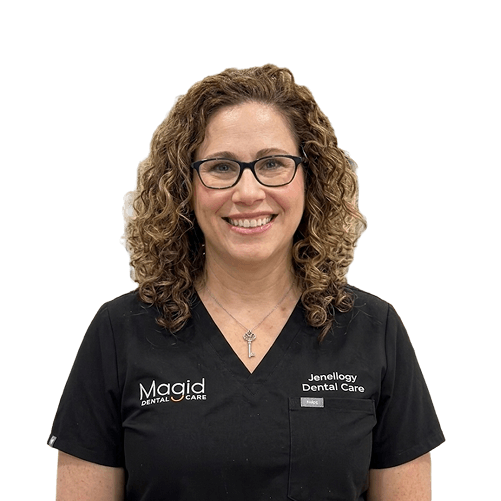
Dental Hygienist
With more than 25 years in dentistry, she’s trained in CBCT scanning and checks the gums around every implant at each cleaning, so problems are caught early.
Learn More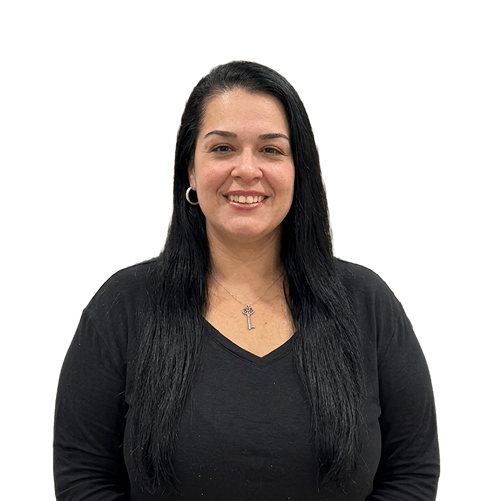
Office Manager
She fits in a painful implant the same day and helps you gather records from your old office. Trained in dental assisting at Felician University.
Learn More

Implant Salvage
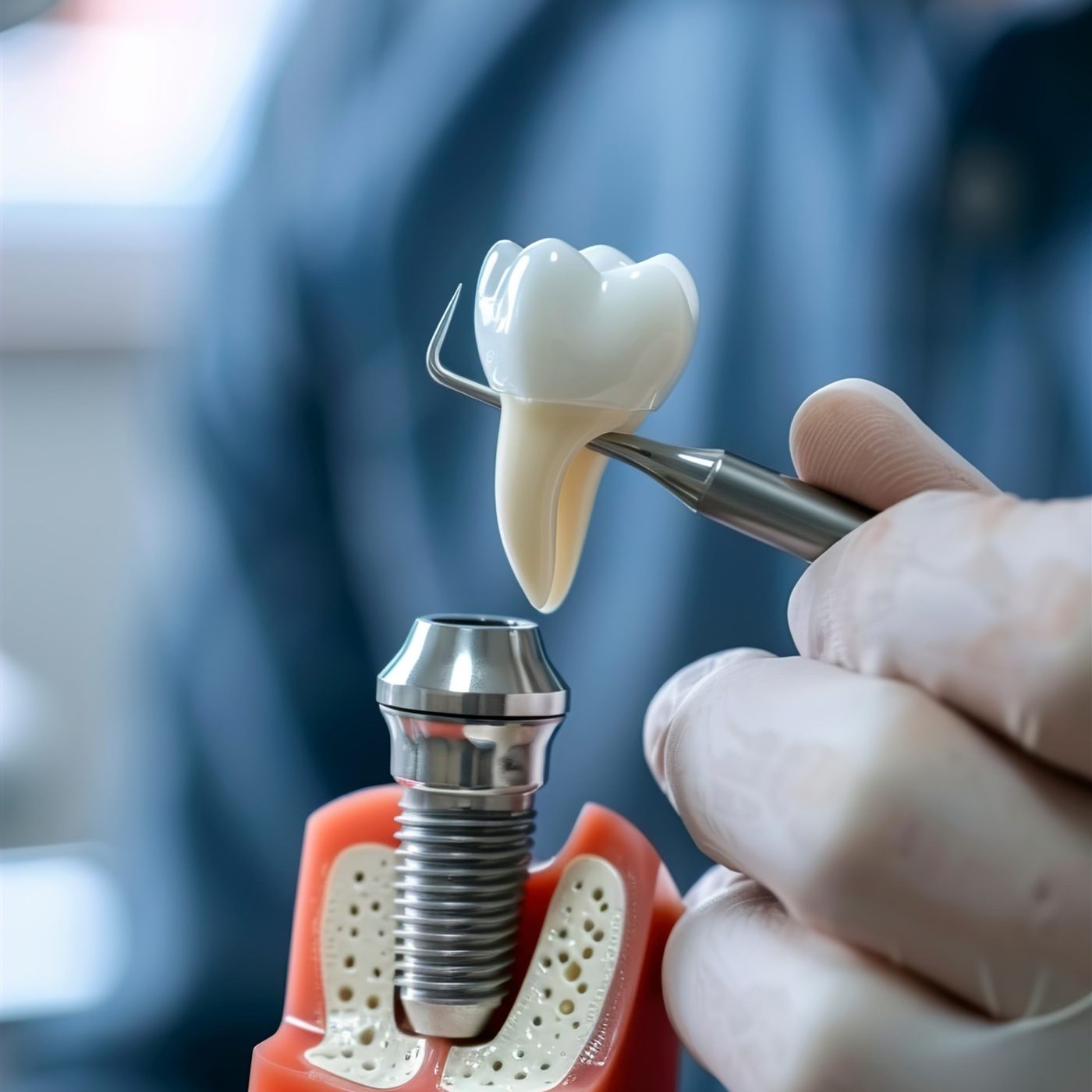
Often the implant is fine, and the screw holding the crown has loosened. The crown comes off, the abutment is tightened or replaced, and the crown goes back on or is remade. No surgery is involved.
Infection around the implant is treated like gum disease. The implant surface and pocket are cleaned, the gum is treated, and antibiotics are used when needed. We then check the gums at every cleaning.
An implant that takes too much force from grinding or a high bite can loosen or lose bone. Adjusting the bite and fitting a custom nightguard takes the load off the implant and the teeth around it.
When the bone no longer holds the implant, it is removed gently under local anesthetic, with sedation if you want it, and the site is cleaned of infection. It is far less involved than most patients expect.
The empty site is grafted to rebuild bone, and after about three to six months of healing, a new implant is planned from a fresh cone beam CT scan and placed here by the same dentist who removed the old one.
Dr. Magid offers nitrous oxide and oral sedation, and IV sedation comes from Dr. Jonathan Mendia, DMD, a visiting dental anesthesiologist from Rutgers, for the longer surgical visits.
Our Process
Step 1
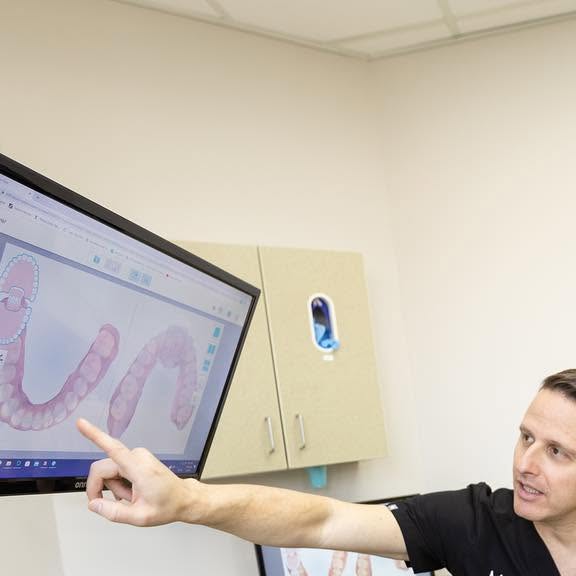
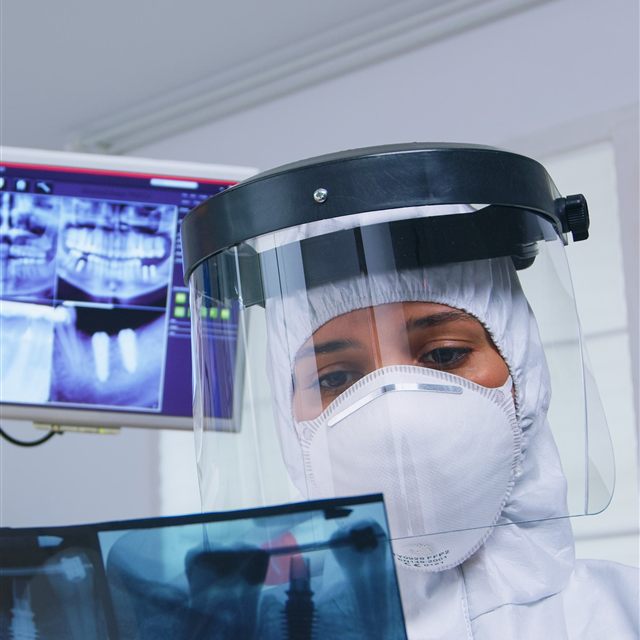
Dr. Magid examines the implant, crown, and gum, checks your bite, and takes a cone beam CT scan that shows the bone in 3D. A painful or swollen implant is treated as an emergency and seen the same day, including new patients.

Step 2
You hear exactly what is wrong, whether it is a loose crown, a gum infection, an overloaded bite, or lost bone. Each has a different fix, and you get the options, the time involved, and an itemized quote before anything starts.
Step 3
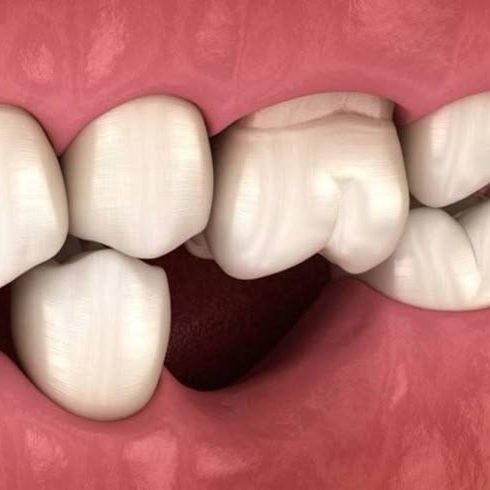
Whenever the implant can be kept, it is, with a tightened crown, a treated gum, or a nightguard. Removal, grafting, and a new implant are the last step, not the first, and all of it is done here by Dr. Magid, with sedation if you choose.
Step 4
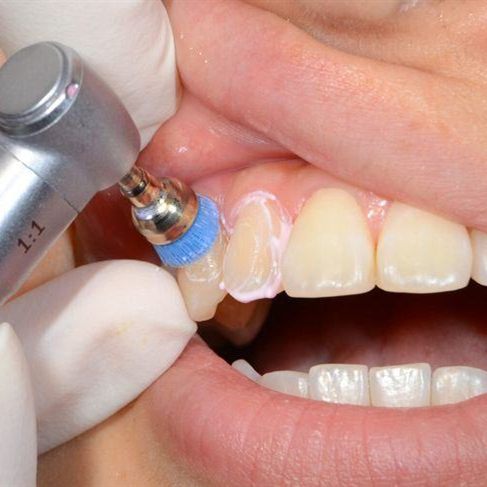
Afterward, the implant is checked at every cleaning, with air polishing included, and a nightguard is worn if grinding played a part. Smoking is the habit we ask you to stop, because it most often brings an implant down a second time.
FAQ
Why implants fail, whether a loose one is an emergency, repair costs, second opinions, insurance, and prevention.
Most often because of peri-implantitis, a gum infection that destroys the bone around the implant, usually from plaque along the gumline. Grinding, smoking, uncontrolled diabetes, and poor bonding can also cause failure. Cone beam planning and daily cleaning help prevent most of these.
Treat it as one and call us the same day. A wobbly crown is often a loose screw, but an implant that moves is losing support, and early care saves more bone. Swelling that affects breathing or swallowing needs 911 or the ER first.
It depends on what has failed. Remaking a crown costs far less than treating an infection, which costs less than removing, grafting, and replacing an implant. We do not publish prices since they vary from patient to patient. Your itemized quote follows the exam and scan, and CareCredit and Cherry can spread the cost.
Yes. An implant does not have to be placed here for Dr. Magid to examine and scan it. Bring any records, X-rays, or the implant brand and size if you have them. You get a clear diagnosis and a written plan, and you decide where to have the work done.
Sometimes, in part. Treating gum infection and remaking a crown are often covered, while replacing an implant is covered by only some plans. We are in-network with Delta Dental; check your benefits and show the estimate on your quote. CareCredit and Cherry apply.
Clean along the gumline twice a day, floss or use a water flosser under the crown, and keep your cleanings every six months. Wear a nightguard if you grind, keep diabetes under control, and do not smoke. Cared for this way, an implant can last for decades.

Conveniently Located Near You
Located in a serene colonial medical building on Clinton Road, our office is designed for effortless visits. Enjoy a first-floor suite, free on-site parking, and a wheelchair-accessible entrance, so you can step straight into dental care that is focused on you.

First-Floor Suite

Free On-Site Parking

Wheelchair Accessible