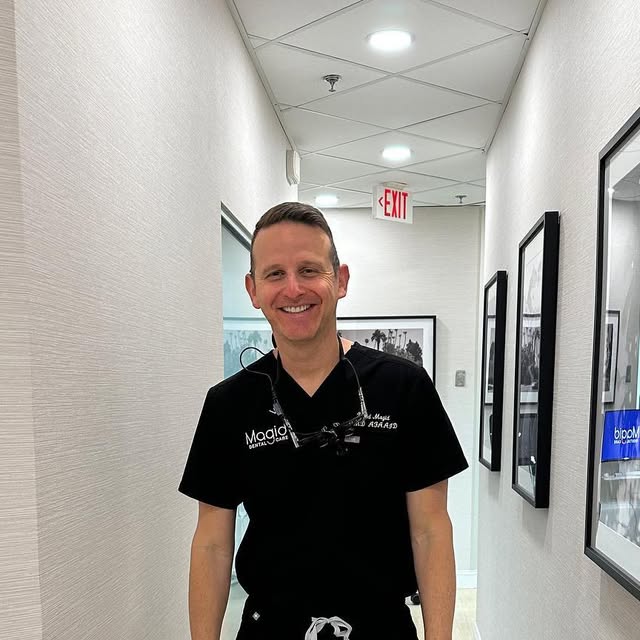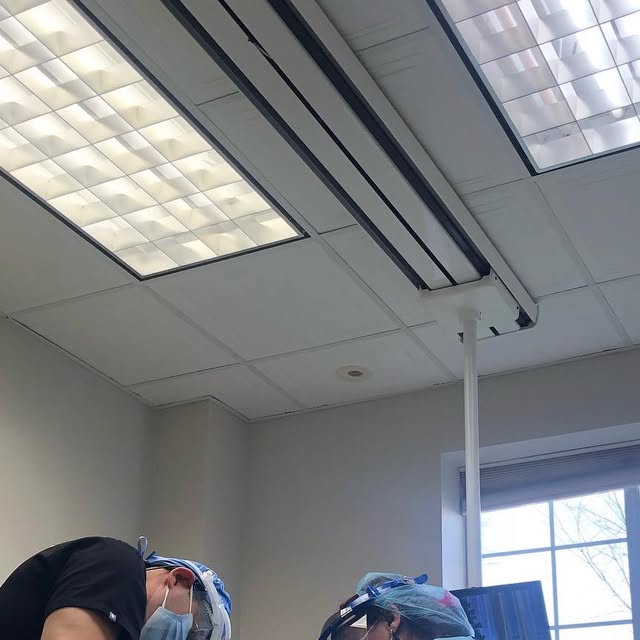

Dr. David Magid
DMD, General Dentist
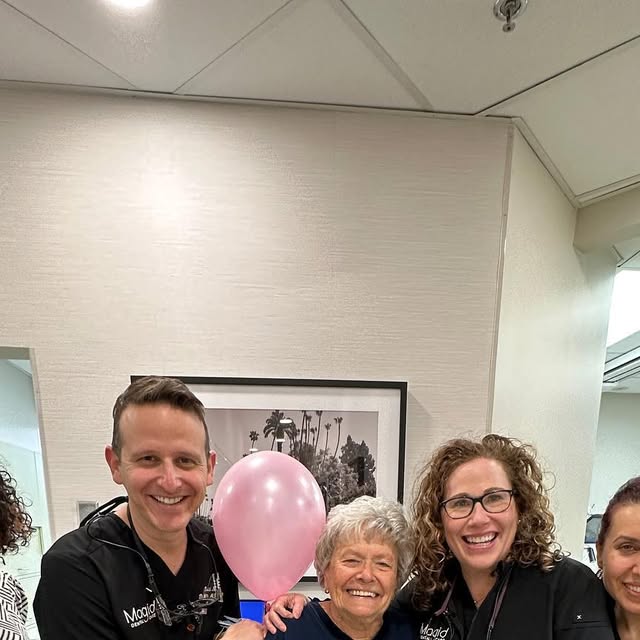
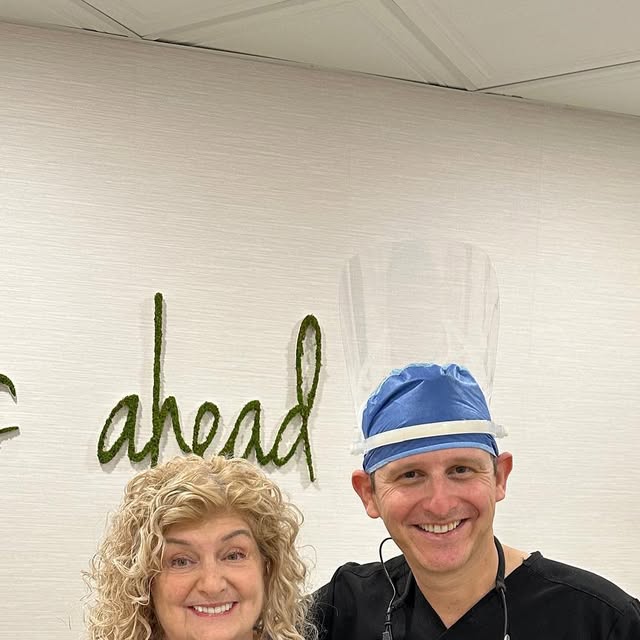
A University of Pennsylvania School of Dental Medicine graduate with more than 25 years in practice. He measures your gums, plans treatment with Jennifer, and refers you to a periodontist when needed.
Learn MoreWest Caldwell, NJ
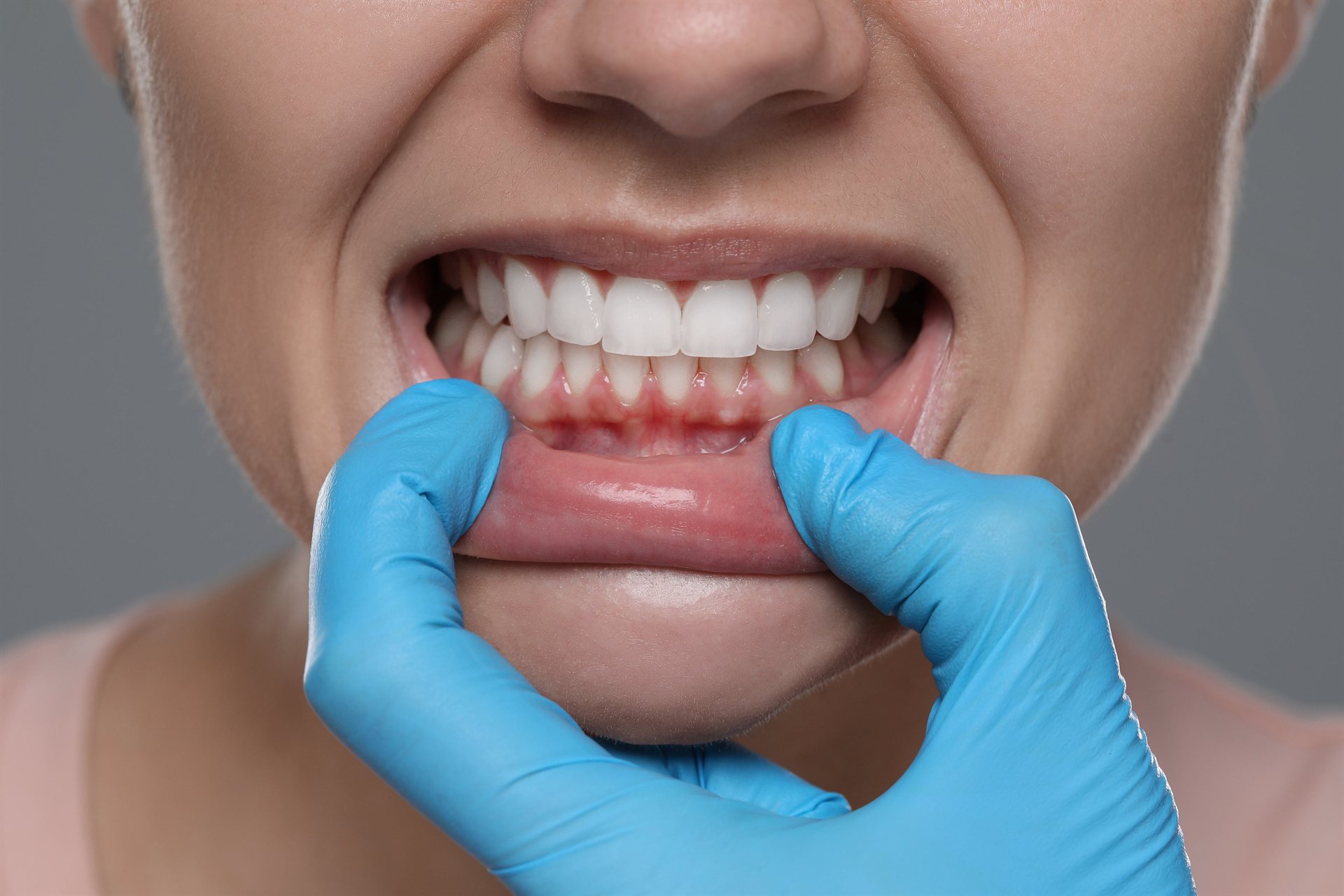
Bleeding, puffy gums are often the first sign of gum disease. Dr. David Magid, DMD, and our hygienist, Jennifer, treat it with deep cleaning, a soft-tissue laser, and maintenance visits that keep it away.
Gum Disease Treatment
Scaling and root planing, often called a deep cleaning, is the first treatment for gum disease. Scaling removes plaque and hardened tartar from the pockets below the gum line, where a regular cleaning cannot reach, and root planing smooths the roots so the gum can reattach. It is done with the gums numbed, usually over 2 visits.
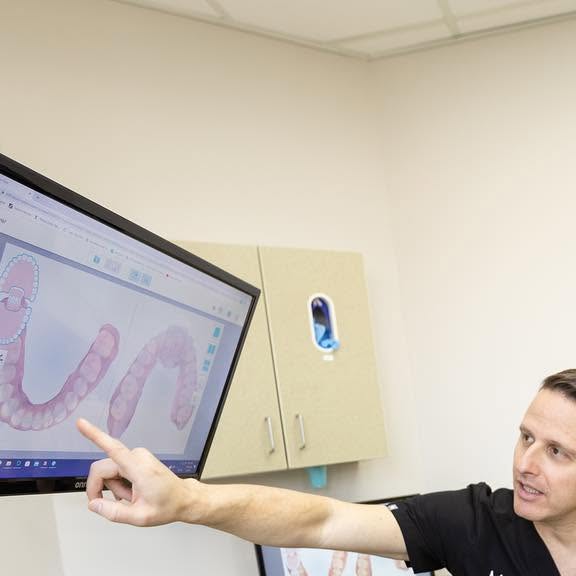
Dr. Magid measures your gums and checks the bone on X-rays, and Jennifer performs the treatment, using the soft-tissue laser where it helps. About 6 weeks later, we re-measure, then move you to maintenance cleanings with air polishing every three to four months.
Patient Education
Yes, in its early stage. Gingivitis, the stage of red, puffy gums that bleed when you brush, can be fully reversed with a professional cleaning and better brushing and flossing, usually within a few weeks. Once it becomes periodontitis and the bone around the roots is lost, that bone does not grow back on its own, but treatment can stop the disease and keep your teeth firm.
The earlier you come in, the more likely gum disease can be reversed rather than controlled. Dr. Magid will measure your gums himself, treat what can be treated here, and tell you plainly when a periodontist should be involved.
A Different Dental Experience
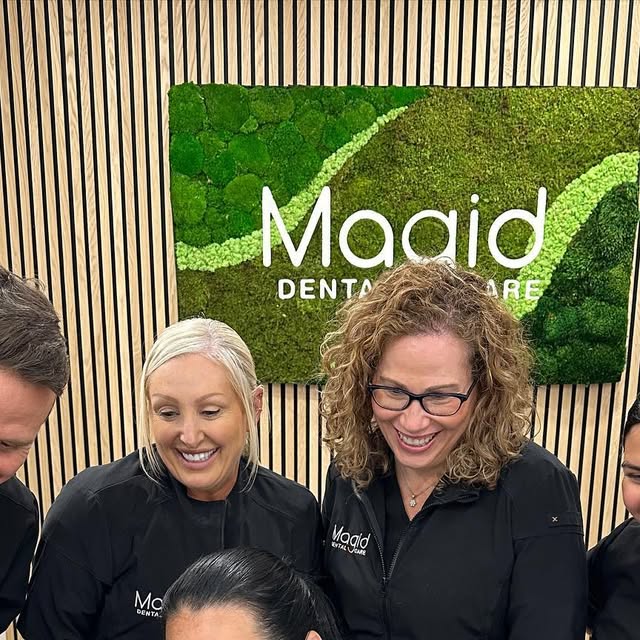
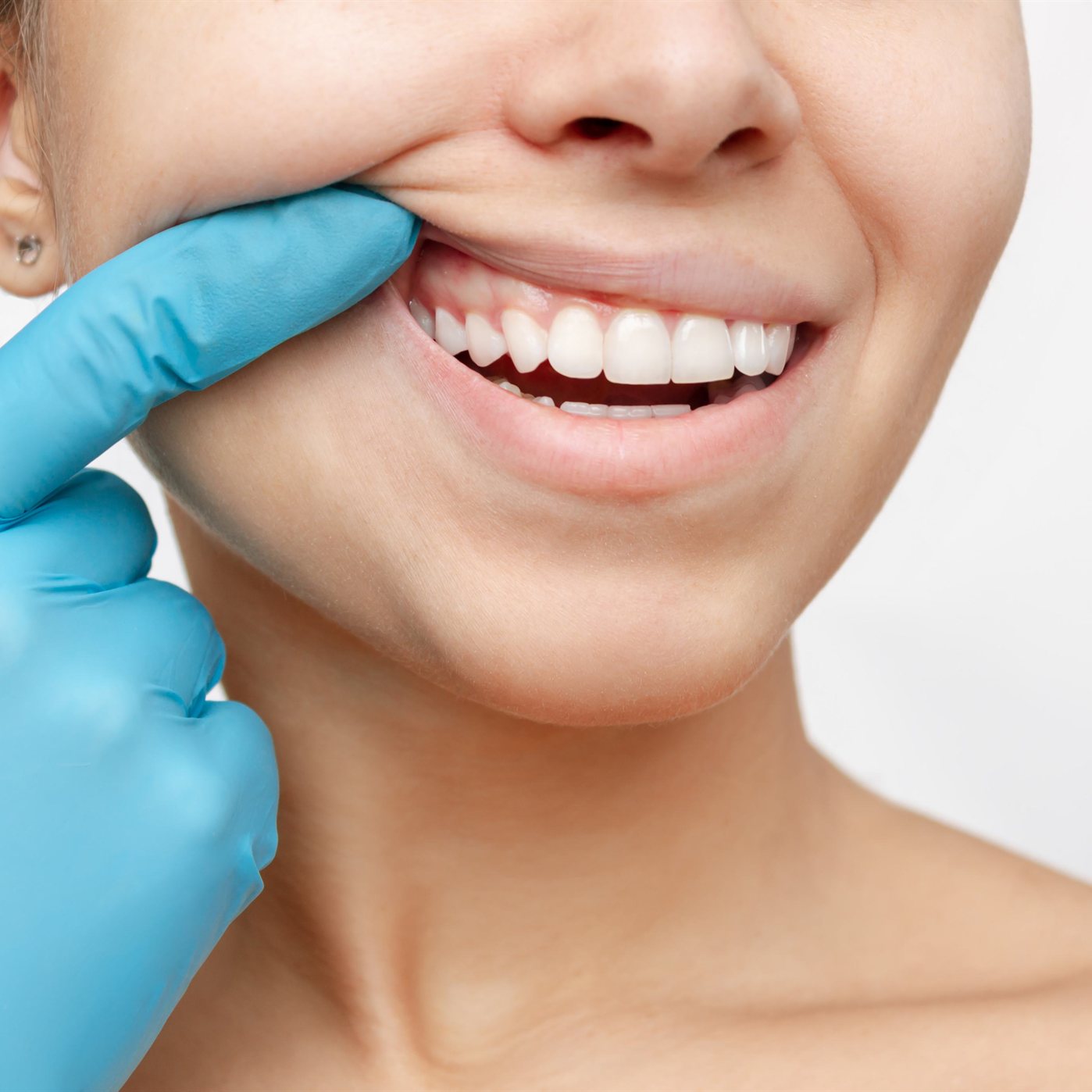
Gum disease is managed over years, so it helps to have a familiar team that knows your gums.
DMD, General Dentist
A University of Pennsylvania School of Dental Medicine graduate with more than 25 years in practice. He measures your gums, plans treatment with Jennifer, and refers you to a periodontist when needed.
Learn More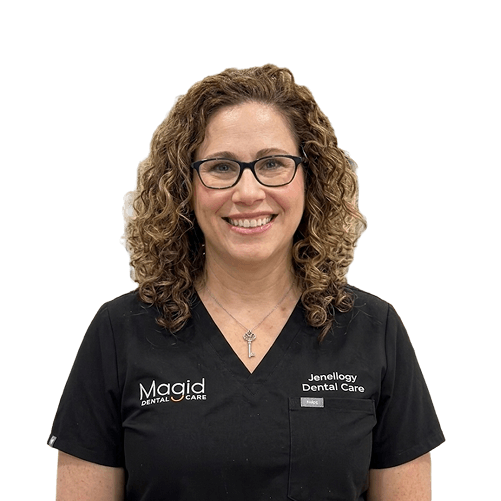
Dental Hygienist
With more than 25 years in dentistry, she’s trained in diode lasers and performs scaling and root planing, laser treatment, and maintenance cleanings.
Learn More
Office Manager
The first voice you hear. She checks your coverage and explains CareCredit and Cherry financing. Trained in dental assisting at Felician University.
Learn More

Treatment

Red, puffy gums that bleed when you brush are usually a sign of gingivitis. A professional cleaning with air polishing removes plaque at the gum line, and Jennifer shows you a home routine to help keep it away.
For early periodontitis, the pockets are cleaned down to the root with the area numbed, and the roots are smoothed so the gum can tighten. It is usually done over two visits, one side at a time.
The soft-tissue laser works alongside scaling and root planing to clear infected tissue from the pocket and reduce bacteria, with little bleeding. It supports the deep cleaning and does not replace it.
Gum disease bacteria return within a few months, so maintenance cleanings every three to four months replace your six-month visit. Each one measures your pockets, cleans below the gum line, and includes air polishing.
When pockets stay deep after a deep cleaning, or bone loss or recession needs surgery or a graft. Dr. Magid then refers you to a periodontist, and routine care continues here. Most patients are treated here.
Our Process

Step 1
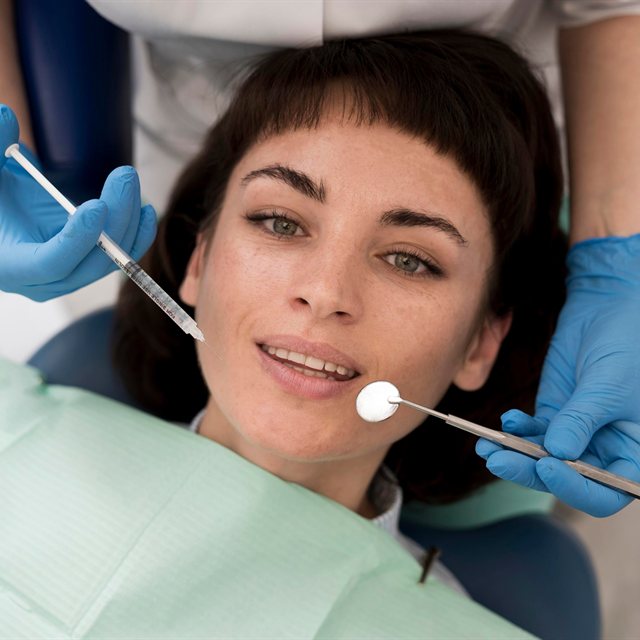
We measure the pocket depth around every tooth, check for bleeding and recession, and take X-rays to see the bone. Dr. Magid explains where you are, from gingivitis to periodontitis, and sets out the treatment and cost before anything starts.
Step 2
The area is numbed, and Jennifer cleans the pockets down to the root and smooths the surfaces, one side of the mouth per visit. Nitrous oxide is available if you feel anxious. Gums may be tender and bleed a little for a day or two.
Step 3
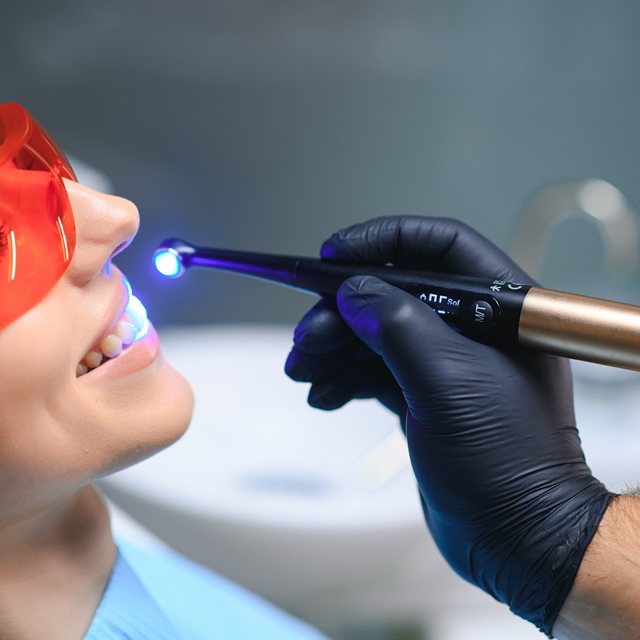
Where it helps, the soft-tissue laser clears the infected lining of the pocket at the same visits. About six weeks later, we re-measure. Pockets that have tightened are done, and any that have not are treated again or referred.
Step 4
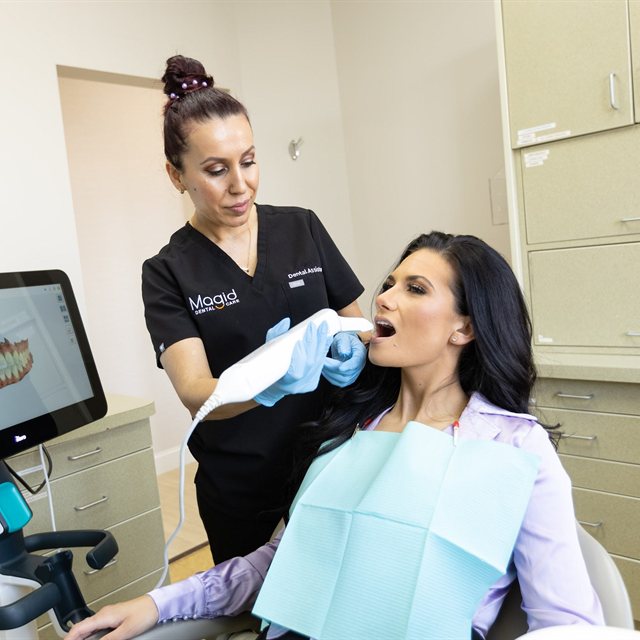
You return every three to four months for a cleaning with air polishing, and your pockets are re-measured each time so Jennifer can adjust your home routine. Between visits, a swollen gum, an abscess, or a suddenly loose tooth can be seen the same day.
FAQ
Learn when bleeding gums need a dentist, what a deep cleaning involves and costs, and how to keep gum disease away.
Gums that still bleed after two weeks of good brushing and flossing need a visit, as do bleeding with swelling, receding gums, loose teeth, or pain. Persistent bleeding means infection below the gum line, where only a professional cleaning can reach. We examine, measure, and treat it.
The cost of scaling and root planing depends on how many areas of the mouth need treatment. Your quote follows the exam, so you know the cost before treatment starts. We are in-network with Delta Dental, file claims for other PPO plans, and offer CareCredit and Cherry financing.
A deep cleaning is scaling and root planing, which cleans plaque and tartar from the pockets that gum disease opens below the gum line and smooths the roots. A regular cleaning treats healthy gums. We do deep cleanings over two visits with the area numbed, then move you to maintenance visits.
Yes, it is your decision, and you can ask to see the measurements and X-rays behind it. A regular cleaning does not treat infected pockets, so the disease continues below the gum line. Dr. Magid will show you your pocket depths and bone levels and answer your questions.
Gingivitis can be cleared with better brushing, daily flossing, and a professional cleaning. Periodontitis cannot, because tartar below the gum line and deep pockets are out of reach of any brush or rinse. We treat those pockets and teach you the home care that protects the results.
Keep your maintenance cleanings every three to four months, clean between your teeth daily, and manage habits like smoking and conditions like diabetes, which make gum disease harder to control. We remeasure your pockets at each visit and adjust your home routine to the results.

Conveniently Located Near You
Located in a serene colonial medical building on Clinton Road, our office is designed for effortless visits. Enjoy a first-floor suite, free on-site parking, and a wheelchair-accessible entrance, so you can step straight into dental care that is focused on you.

First-Floor Suite

Free On-Site Parking

Wheelchair Accessible