

Dental Implants
A titanium post replaces the root and a crown replaces the tooth, with nothing resting on the neighbors. Planned from a cone beam CT scan and placed and restored by Dr. Magid here, for one tooth or several.
Learn More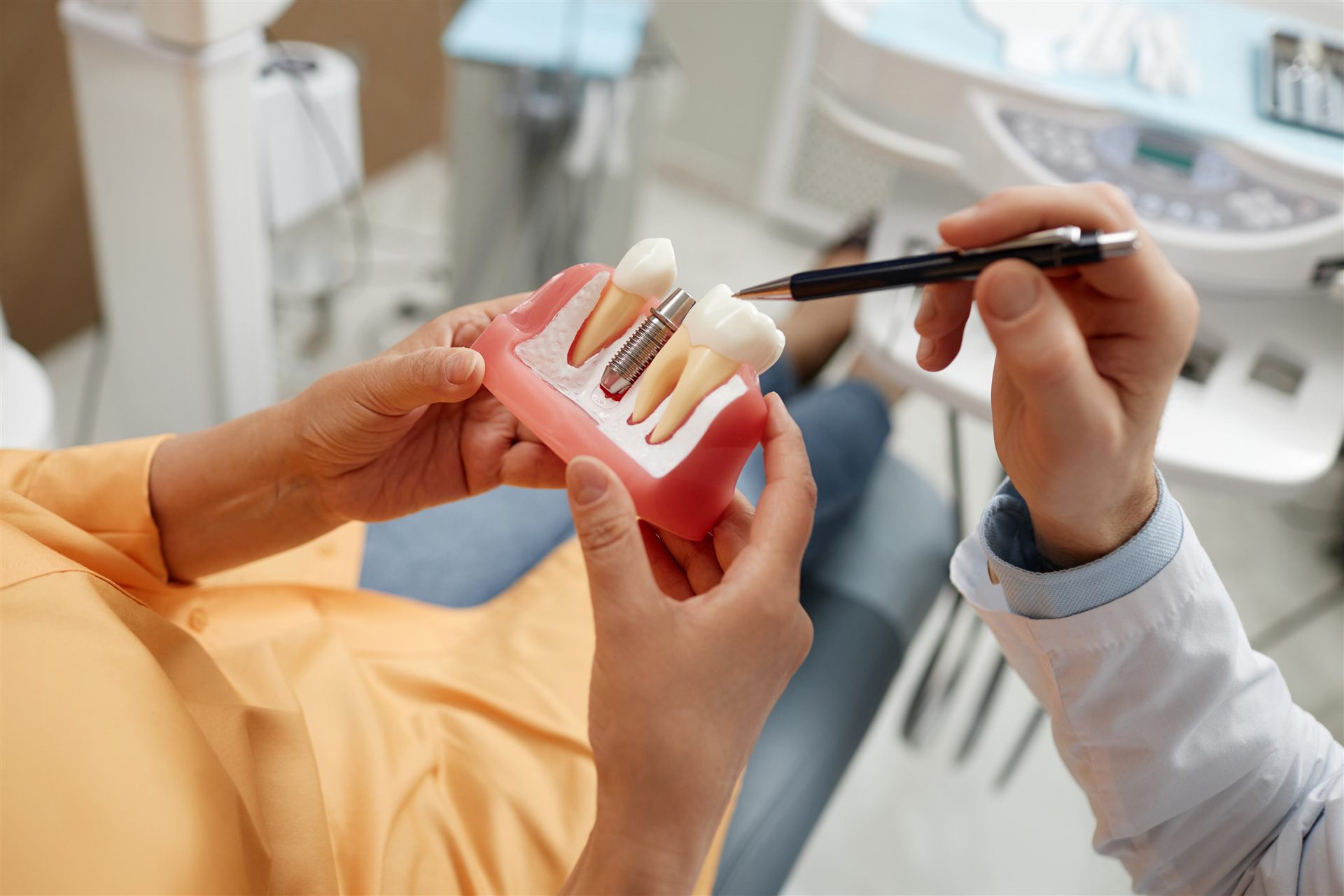
Tooth Replacement
Replace What's Missing
When a tooth is lost, the teeth beside it drift, the tooth above or below it over-erupts, the bone under the gap starts to shrink and chewing moves to the other side. There are three ways to replace it, a dental implant, a bridge or a denture, and Dr. David Magid, DMD provides all three in this office, including implants he plans, places and restores himself. This page compares them so you can choose with the facts in front of you.
Request a ConsultationImplant consultations are complimentary, and the 3D scan fee is waived when you proceed with treatment.
Each option has a case for it. We set out cost, lifespan, bone and upkeep side by side, then tell you which one we would choose in your situation and why.
Your Options
From one tooth to a whole arch, each option below has its own page. Start with the one that matches how many teeth you are missing.
A titanium post replaces the root and a crown replaces the tooth, with nothing resting on the neighbors. Planned from a cone beam CT scan and placed and restored by Dr. Magid here, for one tooth or several.
Learn More
A fixed row of crowns that spans the gap, anchored to the teeth on either side or to implants. No surgery, a few visits, and it stays in your mouth.
Learn More
A removable full or partial denture, fitted for comfort and a natural look. The quickest and least expensive way to replace several teeth, with relines as your gums change.
Learn More
A denture that snaps onto two or more implants, so it stays put when you eat and talk and keeps the bone under it from shrinking.
Learn More
A full arch of fixed teeth on four implants, with a long-term temporary set placed the same day as surgery and the final prosthesis after about four months.
Learn MoreThe Comparison
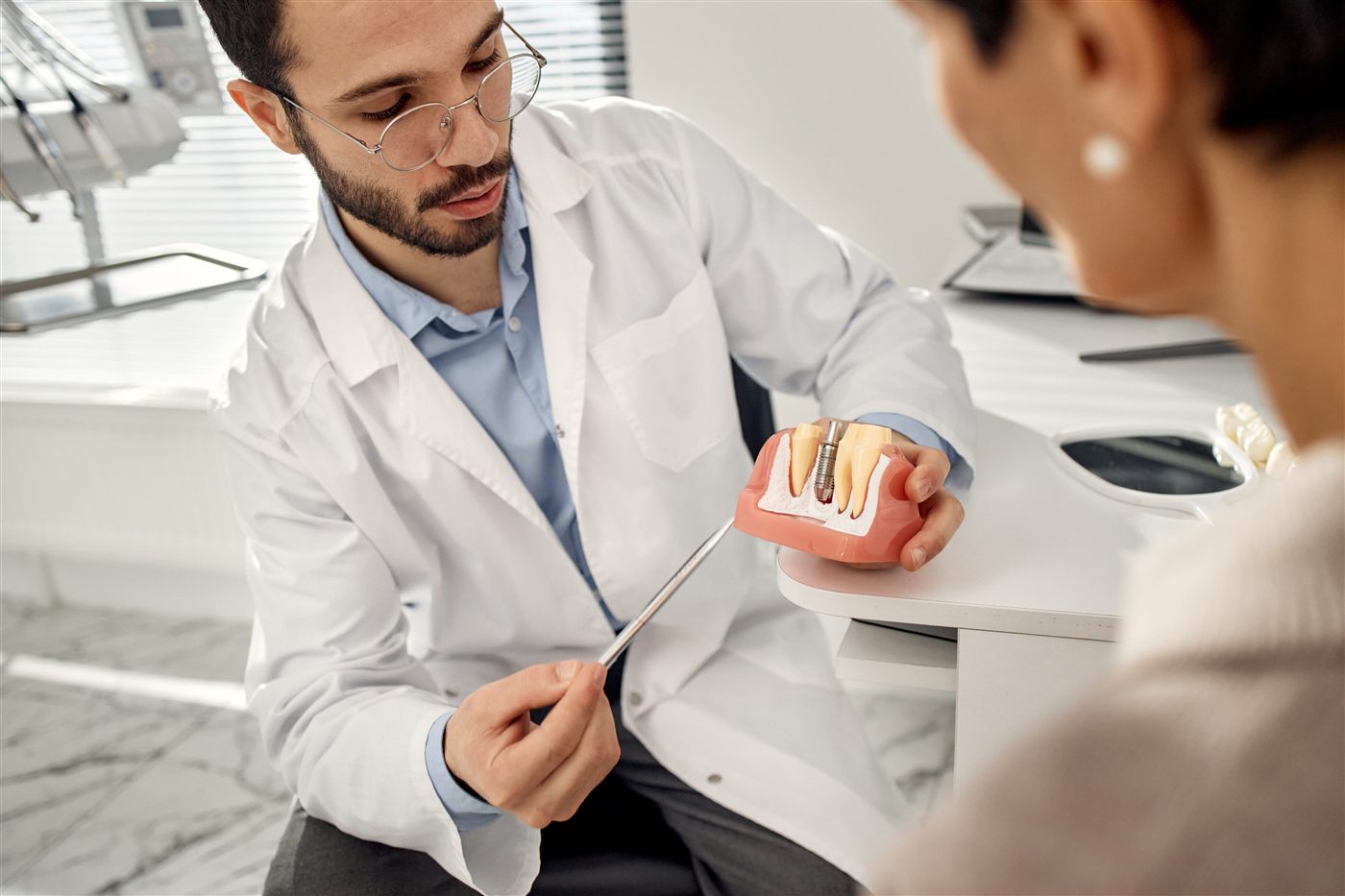
Implants, if you are healthy enough for minor surgery and want the closest thing to your own teeth; dentures, if you need the fastest and least expensive fix or surgery is not for you. Here is how the three options compare.

| Dental implant | Bridge | Denture | |
|---|---|---|---|
| Upfront cost | Highest | Middle | Lowest |
| Cost over time | Lowest, rarely replaced | Middle, replaced when the anchor teeth fail | Highest, relined and remade as the gums change |
| Typical lifespan | Decades with care; the crown may be replaced | About 10 to 15 years | 5 to 10 years before a reline or remake |
| Bone | Keeps the jawbone, like a root | Bone under the gap still shrinks | Bone shrinks, and the fit loosens with it |
| Neighboring teeth | Untouched | Ground down to hold the bridge | Clasps rest on them (partial) |
| Daily upkeep | Brush and floss like a tooth | Brush, plus floss threaders underneath | Remove, clean and soak nightly |
| Feel | Fixed; eats anything | Fixed; avoid very sticky foods | Removable; chewing power is reduced |
| Time to teeth | Several months (same-day teeth with All-on-4) | A few weeks | A few weeks |


For most people, implants, because they are the only option that replaces the root, keeps the bone and leaves the other teeth alone, which is why they usually cost the least over a lifetime.
Dentures are the better choice when:
Many patients land in between, with a denture that snaps onto two implants. Your exam and scan settle it.
How We Decide
The comparison tells you how the options differ. Three things about you tell us which one fits.

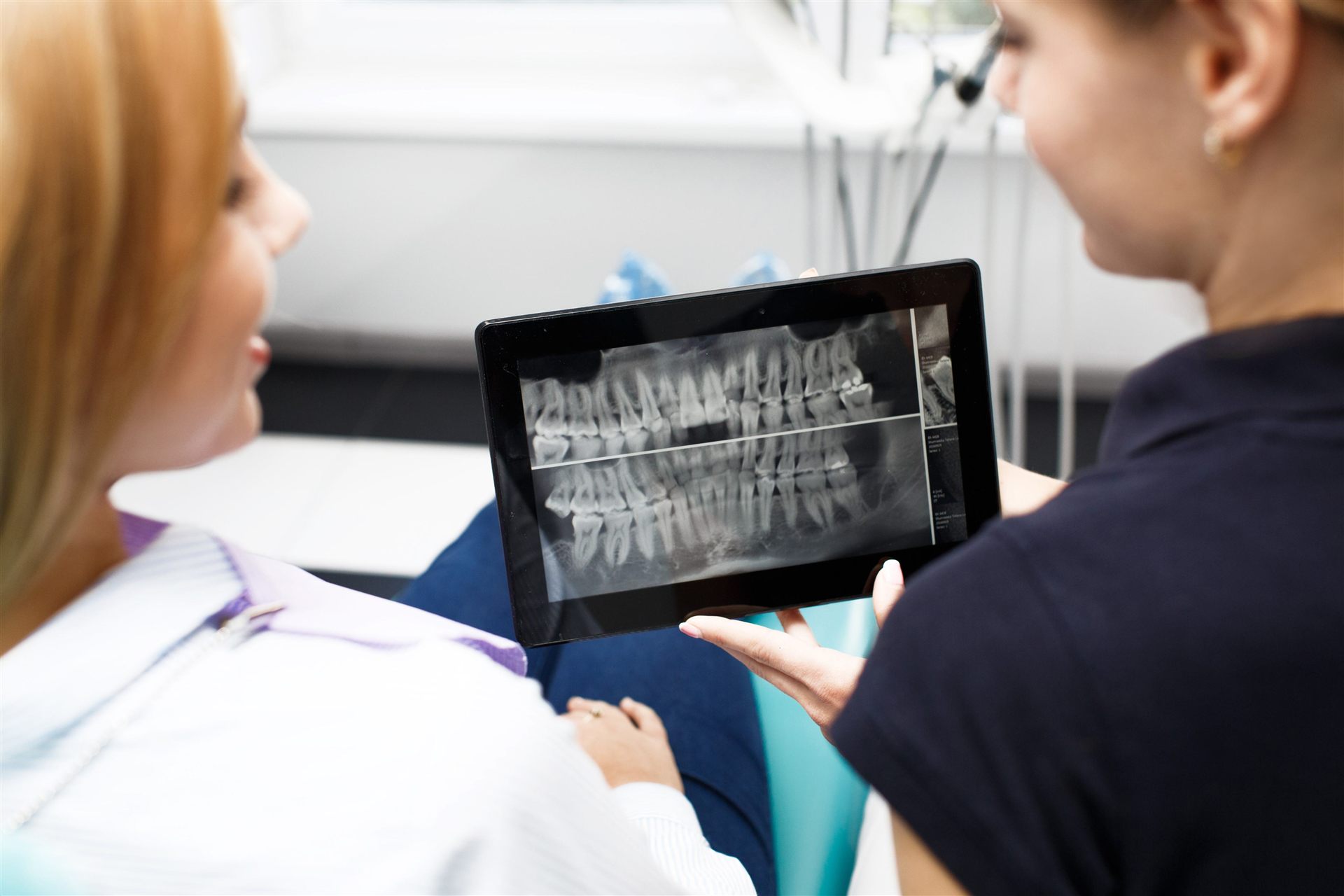
A cone beam CT scan shows exactly how much bone is there. If it is thin, bone grafting and sinus lifts are done in this office, so a shrunken jaw rarely rules out an implant.

Your medical history, medications, smoking and how well you can clean around the teeth all weigh in. Dr. Magid goes through them with you rather than deciding from a checklist.

Dentures are the quickest and cost the least up front; implants take months and cost more up front but less over the years. CareCredit and Cherry can spread the cost, subject to credit approval.
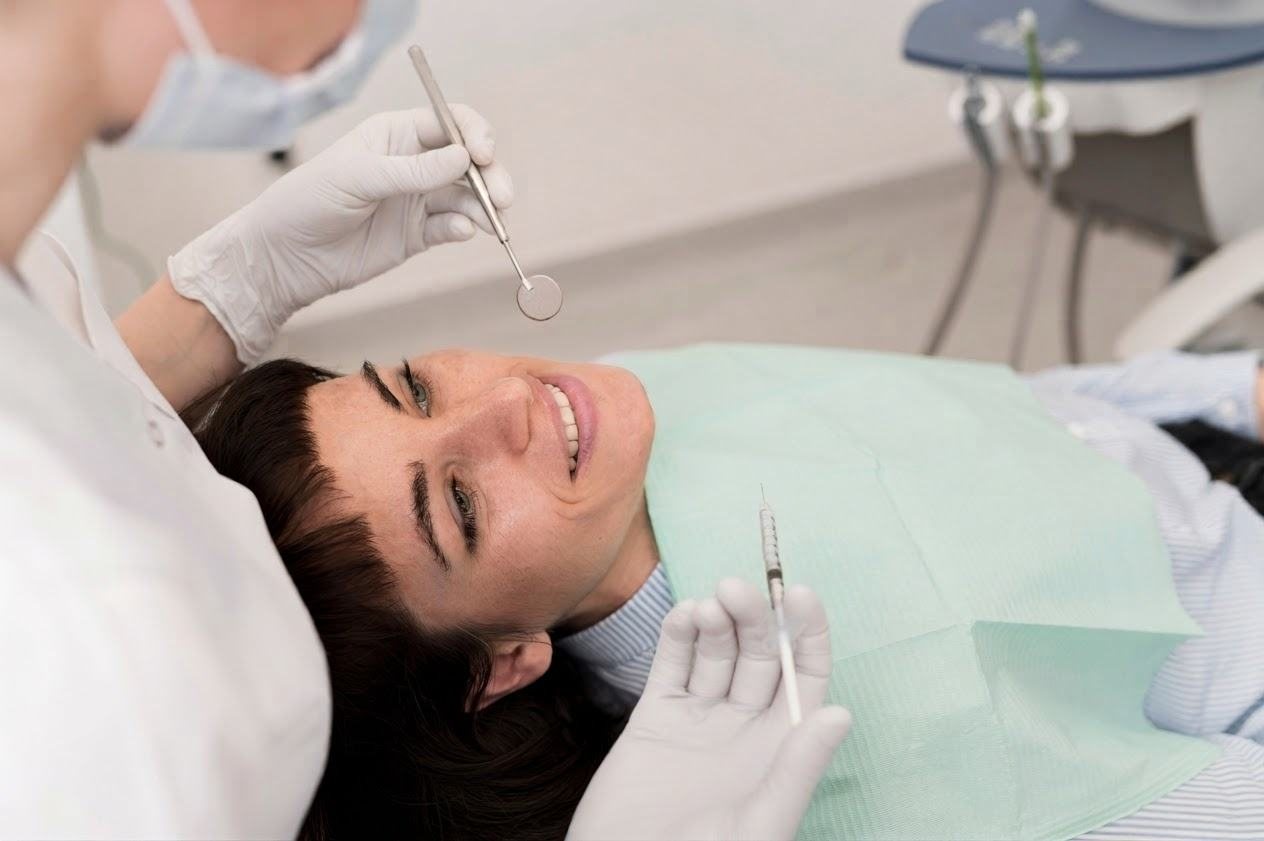

Come in for a complimentary implant consultation. You leave with the scan, the options that fit you and an itemized quote for each, and nothing is scheduled until you decide.
Request a Consultation
Living With Your New Teeth
Implants, bridges and dentures all outlive their averages when they are looked after. The routine is simple.

An implant cannot decay, but the gum around it can become infected. Brush it like a tooth and floss or use a water flosser at the gumline every day.
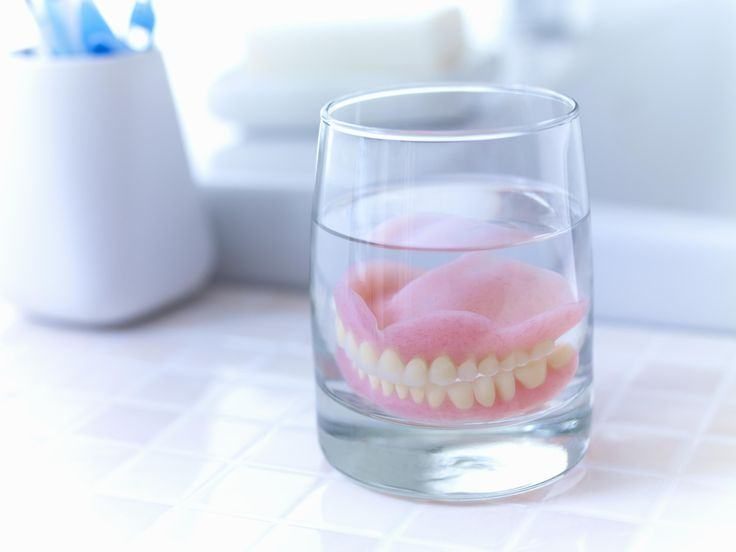
Take dentures out overnight, brush them and soak them, and clean your gums and any remaining teeth before bed. Your gums need the break.
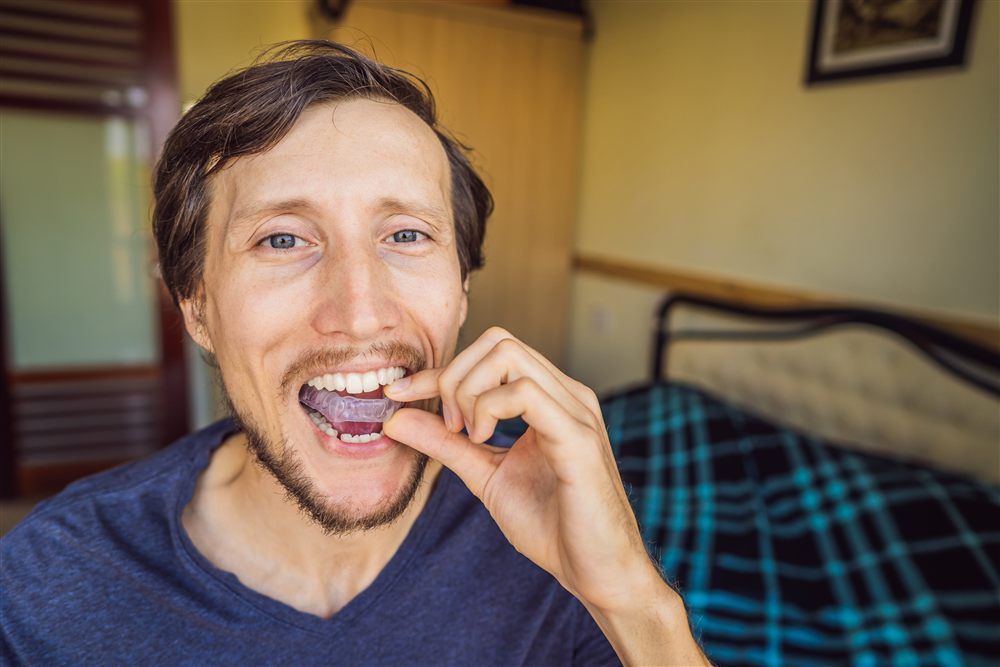
Clenching and grinding overload implant crowns and bridges. If you grind, a custom nightguard protects the work and the teeth around it.

Implants are checked at every exam, bridges are flossed under and dentures are relined when the gums change, so small problems stay small.

Complete Your Smile
Whether you lost a tooth last month or have worn a denture for years, there is an option that fits your mouth, your health and your budget. The consultation is complimentary and the plan is yours to decide on.
Why Magid Dental Care
Every patient has different needs, goals, and concerns, which is why we take a personalized approach to dental care. Our team combines experience, modern technology, and comprehensive services to make your visit easier.

A first-floor suite on Clinton Road with free on-site parking and a wheelchair-accessible entrance, across from Walgreens and Broadway Square.

Dr. Magid brings more than 25 years of dental experience and advanced training in implant and surgical dentistry to every patient's care.

Cone beam CT planning for implants, iTero digital impressions, a soft tissue laser and air polishing at every cleaning.

Implants are planned, placed and restored by Dr. Magid in this office, with extractions, bone grafting and sedation under the same roof.
Common Questions
Simple answers to the questions we hear most from patients choosing between implants, bridges and dentures.
Teeth that are fixed in your mouth and not taken out at night: an implant crown, an implant-supported bridge, a conventional bridge or a full arch such as All-on-4. Of these, only implant-based teeth replace the root and keep the jawbone, which is what makes them the closest thing to permanent. Dentures that snap onto implants are removable but stable, a middle ground many patients prefer.
An implant, in most cases. A bridge means grinding down the two healthy teeth beside the gap to hold it, and the bone under the gap keeps shrinking; an implant leaves the neighbors alone and keeps the bone. A bridge makes sense when those neighboring teeth already need crowns, when surgery is not an option, or when the implant site has too little bone and you would rather not graft.
With daily cleaning and regular checkups, an implant can last for decades, often for the rest of your life; the crown on it wears like a natural tooth and may need replacing along the way. What shortens an implant's life is gum infection around it, uncontrolled grinding and smoking, all of which we check for and help you manage. Dr. Magid plans every implant from a cone beam CT scan so it starts in the right position and bone.
Usually, yes. Years in a denture shrink the jawbone, so the first step is a cone beam CT scan to measure what is left. If there is enough, implants can stabilize your existing denture or replace it; if there is not, bone grafting or sinus lifts are done in this office, and All-on-4 is designed to use the stronger bone at the front of the jaw. The consultation is complimentary.
Sometimes the same day. When Dr. Magid removes the tooth himself and the bone is sound, an implant can be placed in the same visit; otherwise the socket is preserved with a graft and the implant follows once it has healed, usually within a few months. A bridge or denture can be made a few weeks after an extraction. Either way, the replacement is planned before the tooth comes out.
Bridges and dentures usually in part, implants less often. Most PPO plans pay a percentage of a bridge or denture up to the yearly maximum, while many limit or exclude implants, and our membership plan excludes implants from its discount. We are in-network with Delta Dental and file other PPO claims for you, your itemized quote after the exam shows the estimated insurance payment and your portion, and CareCredit and Cherry can spread the balance, subject to credit approval.
Your Smile, Complete
Every month a gap waits, the teeth beside it move and the bone beneath it shrinks, and the options narrow. Request a consultation or call, and if a tooth has just broken or come out, call today: we see dental emergencies the same day.