West Caldwell, NJ

Root Canal Therapy to Save Teeth

A root canal removes the infected nerve from a painful tooth so you can keep the tooth rather than lose it. Dr. David Magid, DMD, does root canals here, usually in one visit, and sees toothaches the same day.

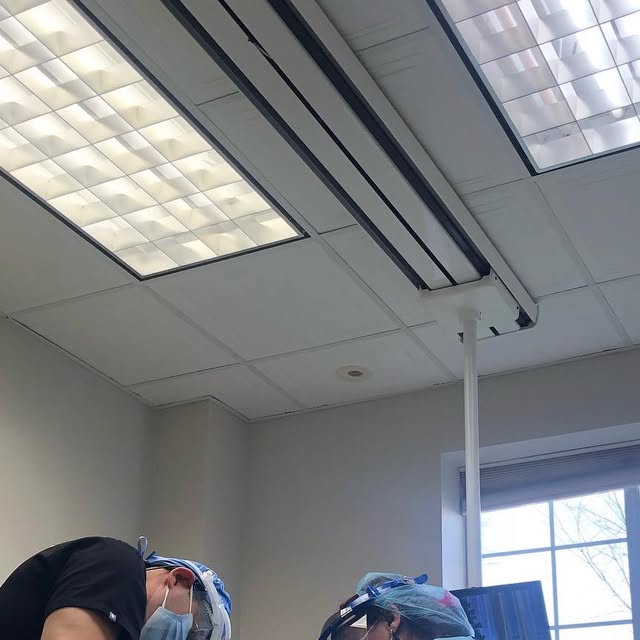
Dr. Magid examining a patient with a toothache at Magid Dental Care

Root Canal Therapy

What Is a Root Canal and How Does It Work?

A root canal saves a tooth with an inflamed or infected nerve. The soft tissue inside the tooth is removed, the narrow canals in each root are cleaned and disinfected, and they are filled and sealed so bacteria cannot return. The tooth stays in place and works as before, and it stops hurting because the painful nerve is gone.

We diagnose the tooth with an X-ray and 3D scan, because not every toothache needs a root canal, and Dr. Magid says so before anything starts. Most root canals take one visit of about 30 to 90 minutes, and a back tooth then gets a lab-made crown to keep it from cracking.

Patient Education

What to Expect From a Root Canal

Does a Root Canal Hurt?

Not when the tooth is fully numb. A root canal feels much like having a filling, with pressure and vibration rather than pain, and Dr. Magid does not start until you cannot feel the tooth. The pain people link to root canals is the toothache before treatment, from the inflamed nerve, and the root canal is what ends it. An infected tooth can be harder to numb, so he tests the numbness first.

Nitrous oxide can be added at the same visit and wears off before you leave, and oral conscious sedation can be arranged for longer treatment. Afterward, the tooth is usually tender for two or three days, and pain that grows worse needs a prompt visit.

A patient resting comfortably in the chair during root canal treatment with Dr. Magid

A Different Dental Experience

Why Our Patients Stay With Us

One dentist diagnoses the toothache, does the root canal, and places the crown that protects it.

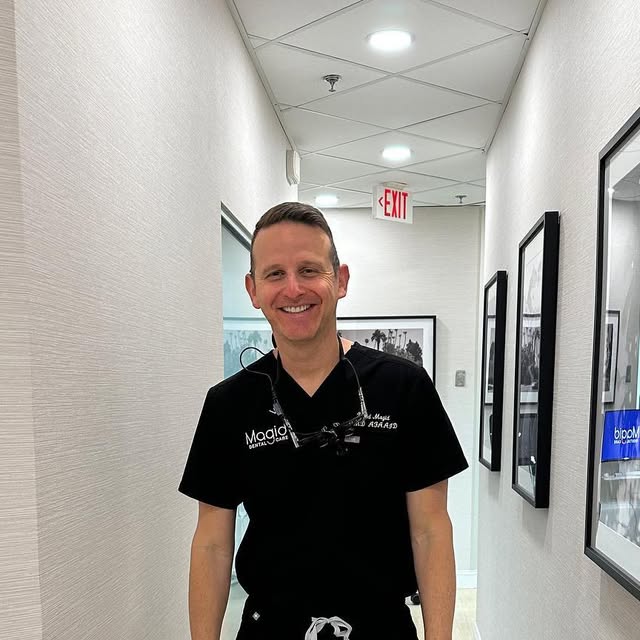
Dr. David Magid, DMD, dentist and owner of Magid Dental Care

Dr. David Magid

DMD, General Dentist

A University of Pennsylvania School of Dental Medicine graduate with an advanced general dentistry residency at Columbia and more than 25 years in practice. He does root canals here and places the crown.

Learn More
Jennifer, dental hygienist at Magid Dental Care

Jennifer

Dental Hygienist

With more than 25 years in dentistry, she's trained in diode lasers and watches for early decay and cracks at your cleanings, before they reach the nerve.

Learn More
Eleana, office manager at Magid Dental Care

Eleana

Office Manager

The first voice you hear. She finds you a same-day slot and checks your coverage. Trained in dental assisting at Felician University.

Learn More
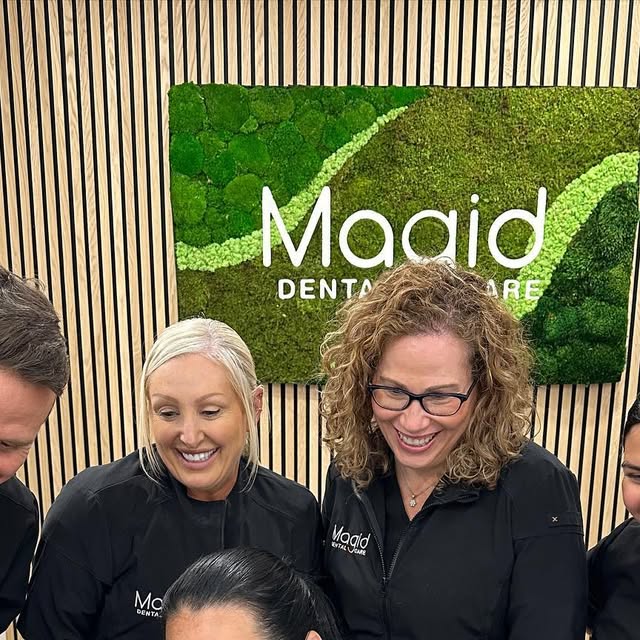
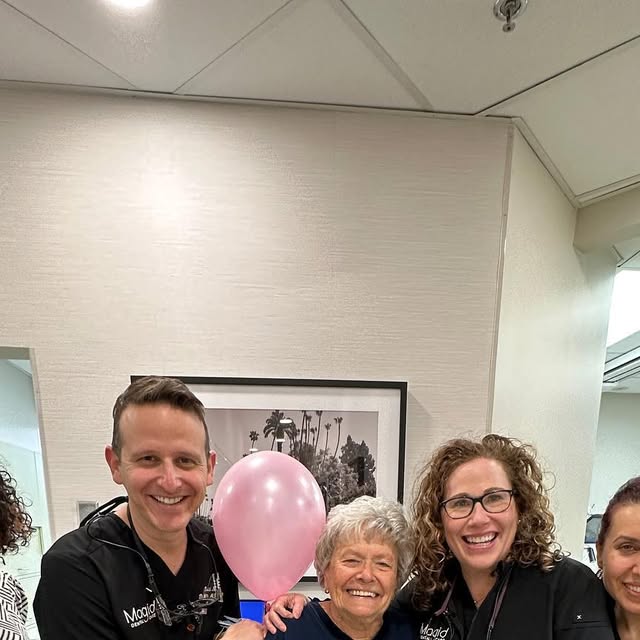
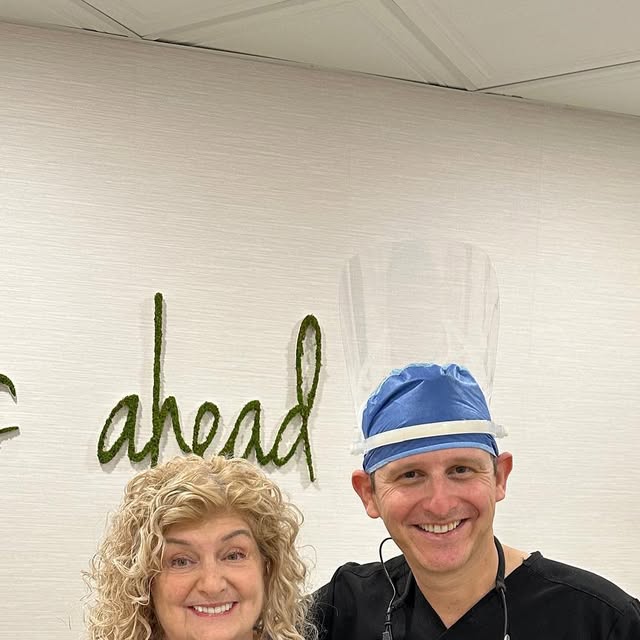
Dr. Magid and the team with patients at Magid Dental Care

Trusted by Our Patients

M.R

Magid Dental Care is a well-run, professional, and spotless establishment. Highly recommend for individuals and families. Wonderful dentists and staff. We love it (family of 5)!

5 out of 5 stars

N.D

Feels like a spa!!! Best experience at the dentist I've had. :)

5 out of 5 stars

J.S

Excellent service. I've had some extensive work done at Magid Dental and the whole staff is very professional and works hard to provide the best service. I can't imagine going to any other dentist after the exceptional work they've done. 10/10 would recommend for all your dental needs.

5 out of 5 stars

S.C

Needed a lot of dental work, and from the time I first stepped into the office until it was completed, Dr. Magid took the time, was caring, and always explained everything to me. The staff is wonderful and always made sure I was comfortable. If you are uncomfortable about seeing a dentist, go see Dr. Magid. The doctor and all the staff will make you feel at home. I highly recommend him.

5 out of 5 stars

S

I couldn't believe the results. I am stunned by how good my smile looks now, and I couldn't have enjoyed the entire experience any more!

5 out of 5 stars

Symptoms

Signs a Tooth May Need a Root Canal

A model of a tooth cut away to show the pulp and the root canals

A tooth that keeps aching after hot or cold may have an inflamed nerve. Fleeting sensitivity is usually worn enamel, while lingering pain seen early makes saving the tooth with a root canal more likely.

Pain on chewing, or a deep ache that starts on its own and keeps you up at night, is a classic sign. Pressure from infection inside the tooth has nowhere to go, so we see this toothache the same day.

A tooth that turns gray or brown from the inside, often years after an injury, usually has a nerve that has died. It may not hurt, but a root canal and crown restore the tooth before infection takes hold.

A tender swelling or pimple on the gum that comes and goes is a draining abscess and needs care, even without pain. Swelling that affects breathing or swallowing is an emergency, so call 911 or go to the ER.

Most root canals start with decay that reaches the nerve, a crack that lets bacteria in, or a large old filling. Catching decay and cracks at checkups is the main way to avoid one.

Relief without treatment is not good news. It usually means the nerve has died while the infection remains and spreads toward the bone, so the tooth still needs a root canal while it can be saved.

Our Process

What Happens During a Root Canal?

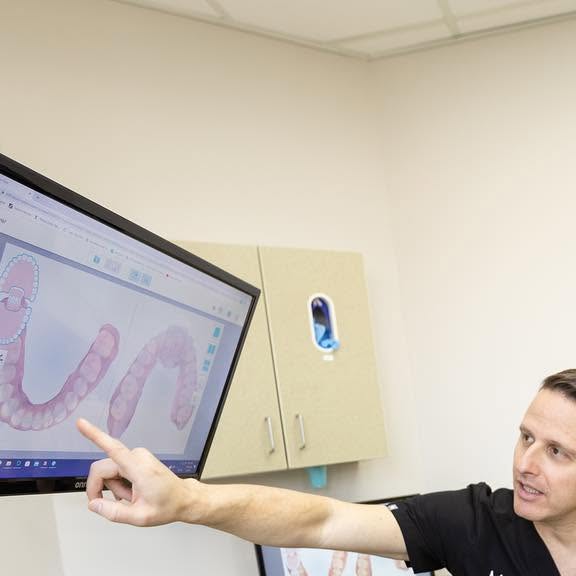
  1. Dr. Magid reviewing a digital x-ray of a painful tooth with a patient

    Step 1

    Exam, X-rays, and a Clear Answer

    Dr. Magid examines the tooth, takes an X-ray, and tests its response to cold and tapping. He tells you if a filling or crown will do, or if an unusually complex tooth should go to an endodontist, and you leave with a diagnosis and a quote.

  2. Dr. Magid performing root canal treatment on a numbed tooth

    Step 2

    Numbing and Cleaning the Canals

    The tooth is numbed and isolated, a small opening is made in the biting surface, and the infected pulp is removed. Each canal is cleaned, shaped, and disinfected to the tip of the root. Molars have three or four canals, so they take longer.

  3. A sealed root canal shown on an x-ray

    Step 3

    Filling and Sealing the Tooth

    Once the canals are clean and dry, they are filled with gutta-percha, a rubber-like material that seals them, and the opening is closed with a filling. A badly infected tooth may need medication placed inside and a second visit a week or two later.

  4. Dr. Magid fitting a crown on a tooth after root canal treatment

    Step 4

    The Crown and Recovery

    A back tooth, or any tooth that has lost a lot of structure, is protected with a lab-made crown, usually over two visits, because a tooth without its nerve can crack. Expect tenderness for two or three days, and chew on the other side until the crown is on.

FAQ

Root Canal FAQs

Learn what a root canal costs, how long it takes, root canal versus extraction, how long it lasts, and what happens if you wait.

A front tooth with one canal costs less than a molar with three or four, and the crown that follows is quoted separately. Your itemized quote follows the exam. We are in-network with Delta Dental, and without insurance our discount membership plan takes 15% off.

Usually one visit of about 30 to 90 minutes, with a front tooth at the short end and a molar at the long end. A badly infected tooth may take two visits, and a back tooth’s crown is a separate appointment, so allow a few weeks to a finished tooth.

A root canal, whenever the tooth can be saved. Pulling a tooth costs less that day, but the gap then needs an implant, bridge, or partial denture. Extraction is right for a tooth cracked below the gum or too broken down to crown, and Dr. Magid does extractions here.

A root-canal-treated tooth can last as long as your other teeth, often for life, when it is crowned as needed and kept clean. Issues can arise when new decay at the crown edge or a crack in an uncrowned tooth develops. A reinfected tooth can often be retreated.

Treat decay and cracks while they are small. Keep six-month checkups with X-rays, fill a cavity when found rather than when it hurts, wear a nightguard if you grind, and never ignore a tooth that twinges on hot or cold. An injury to a front tooth deserves an X-ray.

The infection can spread into the bone and sometimes the face and neck, and a tooth that could have been saved may need pulling. Swelling that affects breathing or swallowing is an emergency, so call 911 or go to the ER. For a toothache, we see you the same day.

Conveniently Located Near You

Easy Access, Stress-Free Visits

Located in a serene colonial medical building on Clinton Road, our office is designed for effortless visits. Enjoy a first-floor suite, free on-site parking, and a wheelchair-accessible entrance, so you can step straight into dental care that is focused on you.

  • First-Floor Suite

  • Free On-Site Parking

  • Wheelchair Accessible

Contact Us Today