Same-Day Emergency Care

West Caldwell Emergency Dentist

A toothache, a broken or knocked-out tooth, a lost crown: call (862) 210-3510 and we’ll see you the same day, new patients included. Dr. David Magid, DMD, gets you out of pain first. Trouble breathing? Call 911.

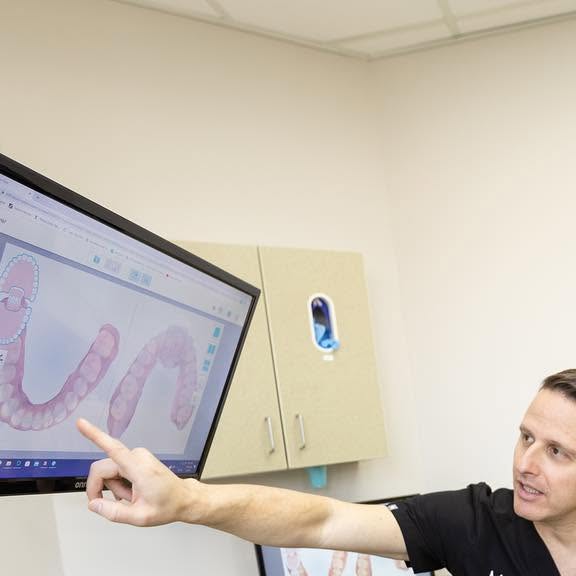
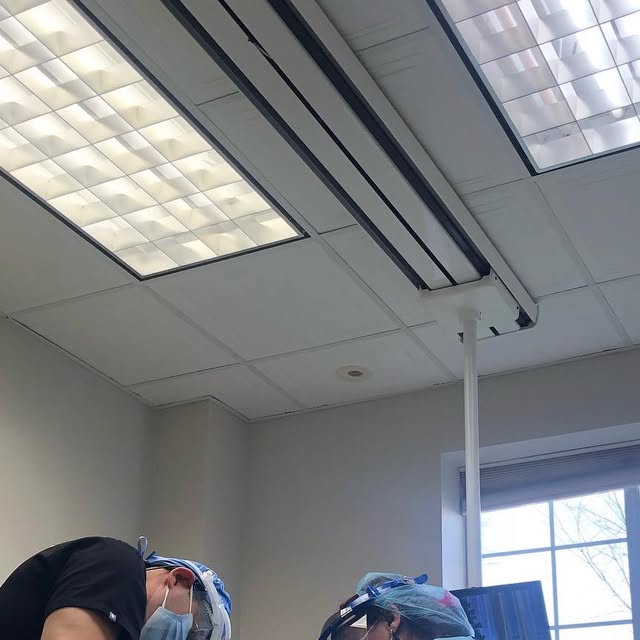
Dr. Magid treating a patient at a same-day emergency visit at Magid Dental Care

Emergency Dentistry

Where Should I Go for Emergency Dental Care?

Go to a dentist for anything that involves a tooth: pain, a broken or knocked-out tooth, a lost filling or crown, an abscess, or a swollen gum. A hospital ER cannot fix a tooth and usually gives pain relief and antibiotics. We see dental emergencies the same day you call, including new patients, and will double-book to fit you in.

Call (862) 210-3510 for first-aid instructions over the phone and a time to come in. Go to the emergency room or call 911 for swelling that affects breathing or swallowing, a jaw that may be broken, or bleeding that continues after 10 minutes of pressure.

What Counts as a Dental Emergency?

Anything that hurts, bleeds, swells, or is broken: a toothache that keeps you up or comes with fever, a cracked, knocked-out, or loose tooth, a lost filling or crown, an abscess or swollen gum, a cut inside the mouth that will not stop, or a broken denture you cannot eat with. Not sure? It’s worth a call, and we would rather talk you through it than have you wait a week.

Two things go to the hospital first: swelling that affects breathing or swallowing, which means 911 or the emergency room, and a jaw that may be broken. Everything else is treated here, with nitrous oxide or oral sedation if you are anxious.

Eleana answering an emergency call at the front desk of Magid Dental Care

A Different Dental Experience

Why Our Patients Stay With Us

The dentist who sees you in an emergency finishes the work, and the same team sees you after.

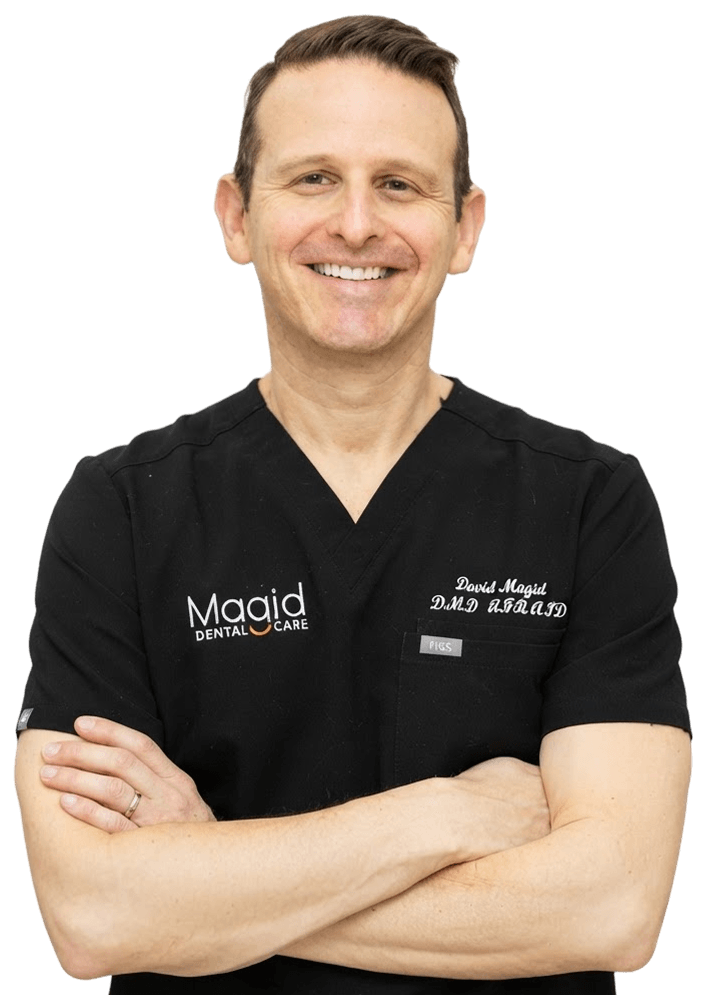
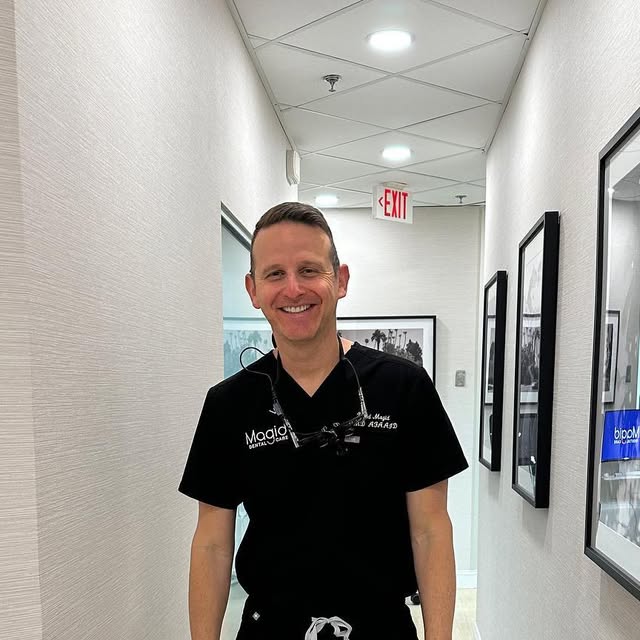
Dr. David Magid, DMD, dentist and owner of Magid Dental Care

Dr. David Magid

DMD, General Dentist

A University of Pennsylvania School of Dental Medicine graduate with more than 25 years in practice. Extractions, root canals, crowns, and implants are all done here, so an emergency rarely needs a referral.

Learn More
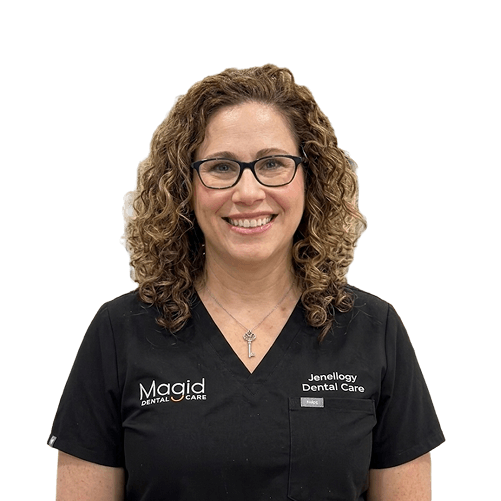
Jennifer, dental hygienist at Magid Dental Care

Jennifer

Dental Hygienist

With more than 25 years in dentistry, she’s trained in CBCT and digital scanning, and takes the X-rays and scans that find the cause of your pain.

Learn More
Eleana, office manager at Magid Dental Care

Eleana

Office Manager

She answers when you call in pain, gives first-aid instructions, and finds you a same-day time. Trained in dental assisting at Felician University.

Learn More
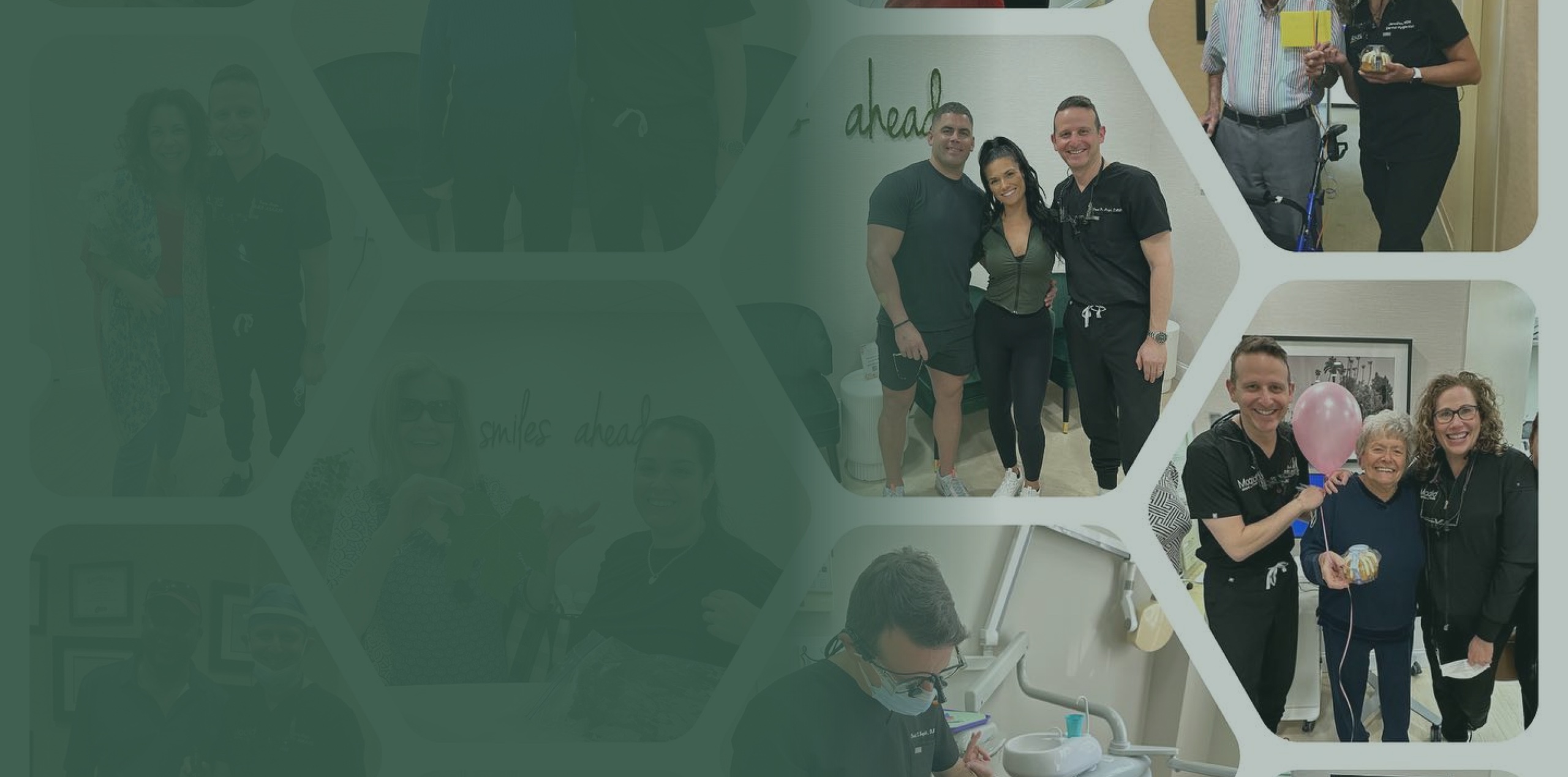
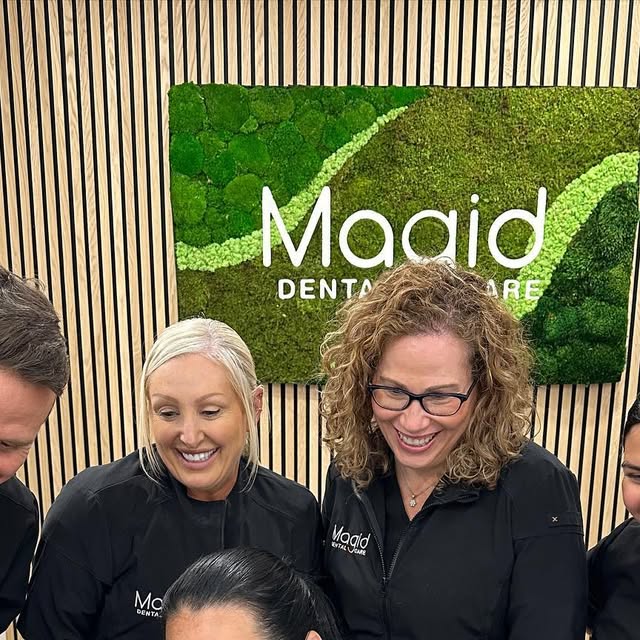
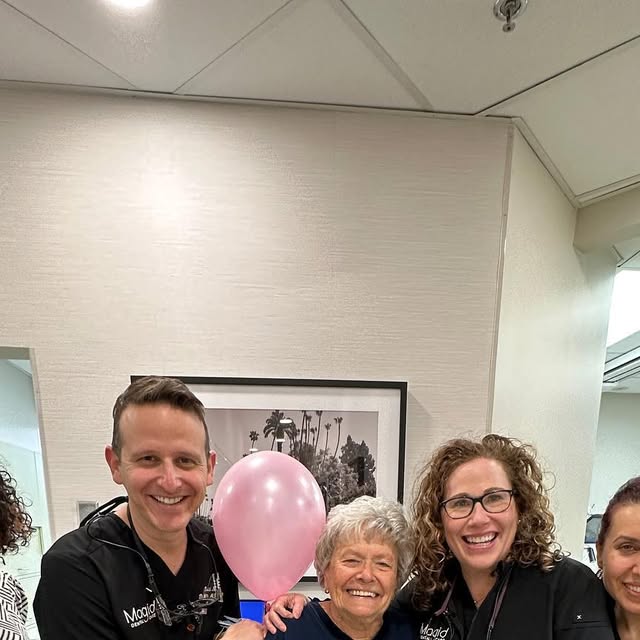
Dr. Magid and the team with patients at Magid Dental Care

Trusted by Our Patients

M.R

Magid Dental Care is a well-run, professional, and spotless establishment. Highly recommend for individuals and families. Wonderful dentists and staff. We love it (family of 5)!

5 out of 5 stars

N.D

Feels like a spa!!! Best experience at the dentist I've had. :)

5 out of 5 stars

J.S

Excellent service. I've had some extensive work done at Magid Dental and the whole staff is very professional and works hard to provide the best service. I can't imagine going to any other dentist after the exceptional work they've done. 10/10 would recommend for all your dental needs.

5 out of 5 stars

S.C

Needed a lot of dental work, and from the time I first stepped into the office until it was completed, Dr. Magid took the time, was caring, and always explained everything to me. The staff is wonderful and always made sure I was comfortable. If you are uncomfortable about seeing a dentist, go see Dr. Magid. The doctor and all the staff will make you feel at home. I highly recommend him.

5 out of 5 stars

S

I couldn't believe the results. I am stunned by how good my smile looks now, and I couldn't have enjoyed the entire experience any more!

5 out of 5 stars

What to Do Right Now

Common Dental Emergencies

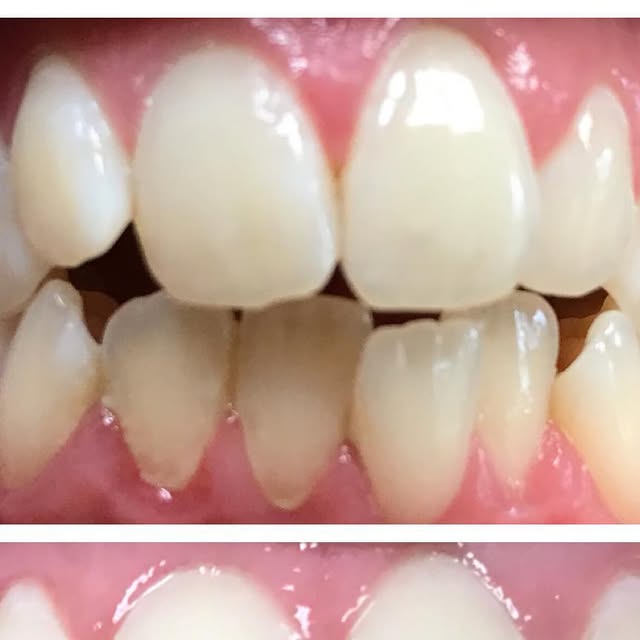
Dr. Magid examining a patient's broken tooth at an emergency visit

If it throbs, keeps you up, or swells, call us. Right now: rinse with warm salt water, take pain relief, and use a cold compress. We find the cause and treat it with a filling, crown, root canal, or extraction.

When it hurts or is sharp, a small chip can wait a day or two. Right now: rinse and cover a sharp edge with dental wax. Small chips are smoothed or bonded in one visit; larger ones may need a veneer.

This requires quick treatment, usually on the same day, because a crack lets bacteria in. Right now: avoid chewing on that side and take pain relief. A crown holds a cracked tooth together; a root crack may need extraction.

This may not require immediate care, but sudden sensitivity can mean decay, a crack, or infection, so book soon. Right now: use desensitizing toothpaste and avoid hot and cold drinks. We treat the cause, from a filling to a root canal.

Time is of the essence, so call us. A tooth that’s replanted within 30 to 60 minutes has a strong chance of survival. Right now: hold it by the crown, rinse gently, and replant it or keep it in milk. We splint or replace it.

Since the tooth is unprotected, it should be seen within a day or two. Right now: keep the crown, rinse, and cover a sharp tooth with dental wax, not glue. We replace the filling or recement the crown.

If you cannot eat or it cuts your gum, call the same day. Right now: do not wear a cracked or sharp denture. Small breaks are often repaired while a badly broken one is replaced.

This requires prompt care because a loose adult tooth is being pushed out by injury, infection, or gum disease. Right now: leave it alone, eat soft food, and rinse gently. Some teeth are splinted and saved; others are replaced.

While most patients will stop bleeding at home, bleeding that lasts more than 10 minutes of firm pressure needs the ER. Right now: rinse and press a clean, damp cloth on the cut. We check the teeth and smooth any sharp edge.

If your jaw locks or will not open or close, or you’re experiencing a dull morning ache, clenching may be the cause. Right now: use a cold compress, soft food, and pain relief. We treat it with a nightguard or bite adjustment.

This isn’t usually an emergency, but call us when floss cannot remove it and the gum swells. Right now: rinse with warm salt water and floss gently; never pick with anything sharp. We remove it in minutes and check for chips.

How We Treat Dental Emergencies

What Happens When You Call?

  1. Eleana taking an emergency call at the front desk

    Step 1

    Call (862) 210-3510

    Tell us what happened and what hurts. You get first-aid instructions on the phone and a time to come in the same day, new patient or not. Bring your ID, insurance card, and medication list. Keep a knocked-out tooth in milk and come straight over.

  2. Dr. Magid examining a patient at an emergency visit

    Step 2

    We’ll Relieve Your Pain First

    Dr. Magid examines the tooth and takes a digital X-ray, or a cone beam scan when the problem is below the gum. The area is numbed, and infection is treated first, so the pain stops before planning starts. Nitrous oxide or oral sedation is available.

  3. Dr. Magid explaining treatment options to a patient

    Step 3

    A Plan with Cost Details

    You hear what is wrong and your options in plain language, from a filling to a crown, root canal, or extraction, with an itemized estimate before we start. We check your insurance, file the claim, and explain CareCredit and Cherry financing.

  4. A patient leaving Magid Dental Care after emergency treatment

    Step 4

    Treatment, Usually the Same Visit

    Most emergencies are treated on the spot: a tooth extracted, a root canal started, a crown recemented, a temporary filling placed. When a lab-made crown or replacement tooth comes next, you leave protected with the next visit booked.

FAQ

Dental Emergency FAQs

What the ER can and cannot do, facial swelling, weekends, what a visit costs, and whether a toothache goes away.

No. Hospital emergency rooms do not have dentists, so they give antibiotics and pain relief and send you to a dentist. A serious infection with swelling that affects breathing is treated there first. We remove infected teeth the same day, including for new patients.

Give you a prescription and a referral. An ER doctor can prescribe antibiotics and pain relief but cannot fill, repair, or extract a tooth. Unless you have trouble breathing or swallowing, a broken jaw, or bleeding you cannot stop, a dentist is the better first call.

Yes. Swelling from a tooth means infection has spread beyond it and needs antibiotics and treatment the same day. When it affects breathing or swallowing, reaches your eye, or comes with a high fever, go to the ER or call 911 first. Mild one-sided swelling is seen here today.

Call (862) 210-3510: after hours, emergencies reach Dr. Magid directly, and non-urgent messages are returned the next business morning. For swelling that affects breathing, a jaw that may be broken, or bleeding you cannot stop, go to the emergency room.

It depends on what we find, so we do not quote a figure before the exam. The treatment that follows is quoted before we start. We are in-network with Delta Dental and file claims for other PPO plans, and CareCredit and Cherry financing apply, subject to credit approval.

Not for long. Pain that fades can mean the nerve has died, which means the infection is getting worse. Decay, cracks, and abscesses do not heal, and waiting raises the cost. Warm salt-water rinses and a cold compress take the edge off in the meantime.

Conveniently Located Near You

Easy Access, Stress-Free Visits

Our office is a first-floor suite in a colonial medical building at 33 Clinton Rd #106, West Caldwell, NJ 07006, with free on-site parking and a wheelchair-accessible entrance, so you can step straight into care.

  • First-Floor Suite

  • Free On-Site Parking

  • Wheelchair Accessible

Call (862) 210-3510