West Caldwell, NJ

Dental Bonding for Chipped Teeth

Dental bonding repairs a chipped, gapped, or worn front tooth with tooth-colored composite, often in one visit without numbing. Dr. David Magid, DMD, matches your shade and cares for a chipped tooth the same day.

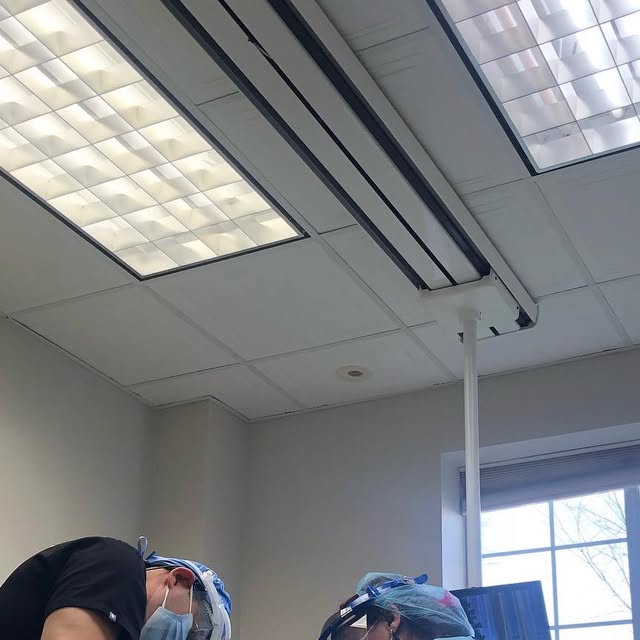
Dr. Magid shaping composite bonding on a patient's front tooth at Magid Dental Care

Dental Bonding

What Is Dental Bonding and How Does It Work?

Dental bonding applies tooth-colored composite resin to the tooth, sculpts it into the missing or new shape, hardens it with a curing light, and polishes it to match the enamel. Nothing goes to a lab, and there are no temporaries, so you arrive with the chip or gap and leave without it. Little or no tooth has to be removed.

Dr. Magid does the bonding himself, usually in under an hour for one tooth, matching the shade in layers so the edge looks as translucent as natural enamel. It suits small changes to one or two teeth, and for larger changes he shows you the options with a quote for each.

Patient Education

Your Path to a Beautiful Smile

Bonding or Veneers?

Bonding suits a small repair to one or two teeth, while veneers suit changing several front teeth at once. Bonding is done in one visit with little or no drilling, and can be repaired if it chips, and it lasts several years with care. Porcelain veneers are made by a lab over two visits, keep their color longer, and the tooth is shaped to receive them.

A chip, a small gap, or one dark tooth is a bonding case, and worn or uneven teeth across the whole smile is a veneer case. Dr. Magid shows you both options, with a quote for each, before you decide.

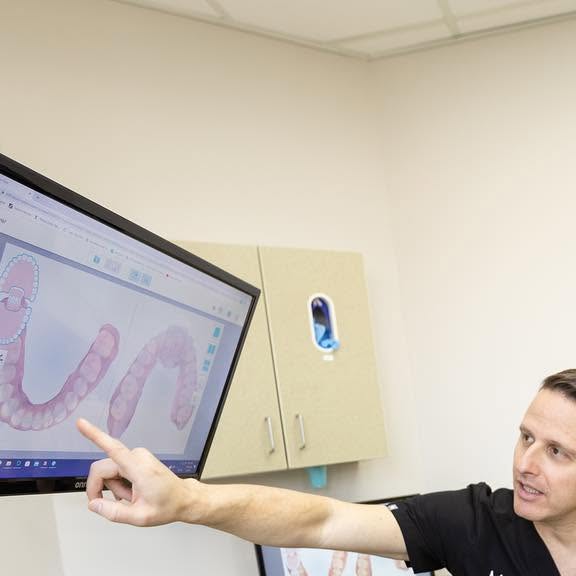
Dr. Magid comparing bonding and a porcelain veneer with a patient

A Different Dental Experience

Why Our Patients Stay With Us

Bonding is handwork done chairside by the dentist, and our team gets you in fast when a tooth chips.

Dr. David Magid, DMD, dentist and owner of Magid Dental Care

Dr. David Magid

DMD, General Dentist

A University of Pennsylvania School of Dental Medicine graduate with more than 25 years in practice. He does all bonding in-house, layering and polishing the composite by hand to match the tooth beside it.

Learn More
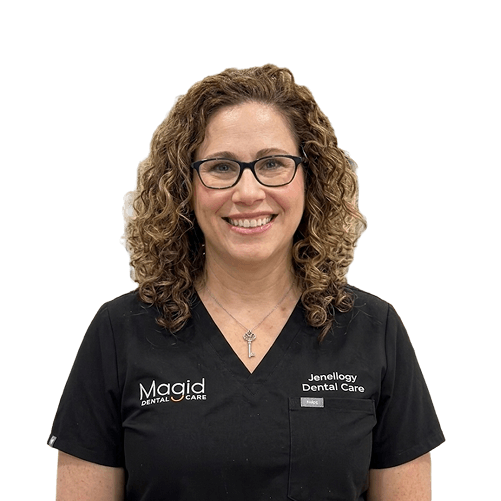
Jennifer, dental hygienist at Magid Dental Care

Jennifer

Dental Hygienist

With more than 25 years in dentistry, she's trained in digital scanning, keeps bonded teeth polished at your cleanings, and tells you if an edge needs care.

Learn More
Eleana, office manager at Magid Dental Care

Eleana

Patient Coordinator

She finds you a same-day slot for a chipped tooth, checks what your plan pays, and explains financing. Trained in dental assisting at Felician University.

Learn More
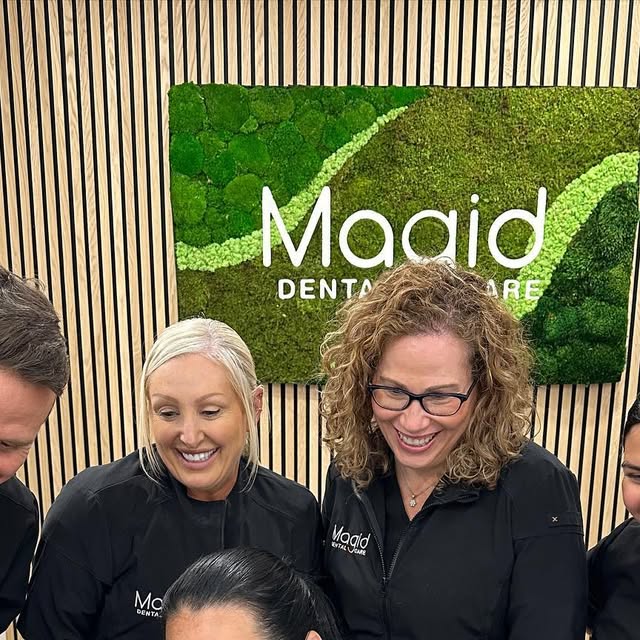
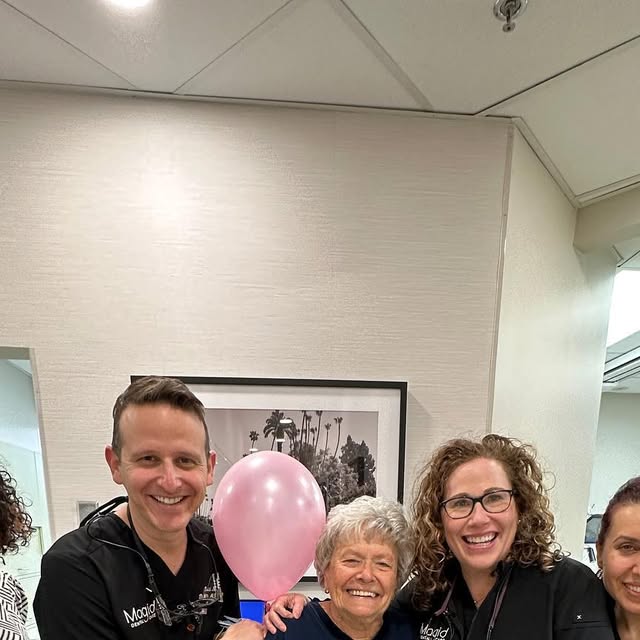
Dr. Magid and the team with patients at Magid Dental Care

Trusted by Our Patients

M.R

Magid Dental Care is a well-run, professional, and spotless establishment. Highly recommend for individuals and families. Wonderful dentists and staff. We love it (family of 5)!

5 out of 5 stars

N.D

Feels like a spa!!! Best experience at the dentist I've had. :)

5 out of 5 stars

J.S

Excellent service. I've had some extensive work done at Magid Dental and the whole staff is very professional and works hard to provide the best service. I can't imagine going to any other dentist after the exceptional work they've done. 10/10 would recommend for all your dental needs.

5 out of 5 stars

S.C

Needed a lot of dental work, and from the time I first stepped into the office until it was completed, Dr. Magid took the time, was caring, and always explained everything to me. The staff is wonderful and always made sure I was comfortable. If you are uncomfortable about seeing a dentist, go see Dr. Magid. The doctor and all the staff will make you feel at home. I highly recommend him.

5 out of 5 stars

S

I couldn't believe the results. I am stunned by how good my smile looks now, and I couldn't have enjoyed the entire experience any more!

5 out of 5 stars

What It Fixes

What Dental Bonding Can Fix

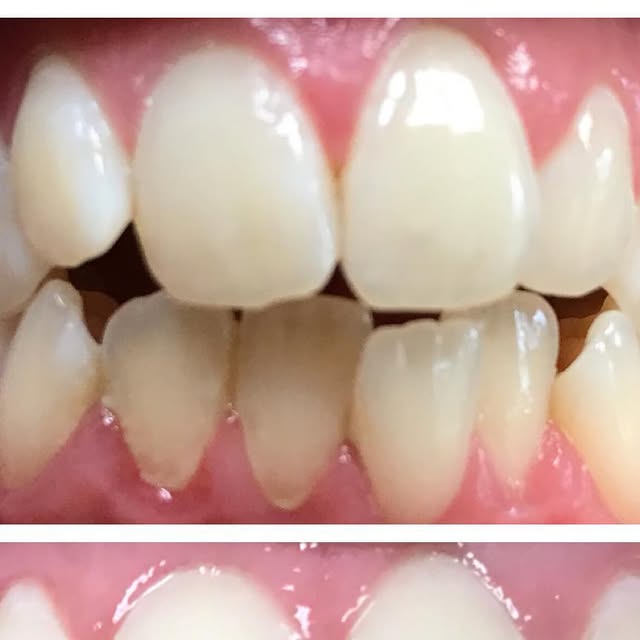
A front tooth before and after composite bonding at Magid Dental Care

The missing corner is rebuilt in composite, shaped to mirror the tooth beside it, and polished until the update is indistinguishable. A small chip is usually fixed in one visit, and we see chipped teeth the same day.

A small space between the front teeth is closed by adding composite to the sides of the teeth, and shaped so they do not look too wide. Wider gaps may be better closed with Invisalign or veneers.

Front teeth worn flat or ragged from grinding are lengthened and evened with composite, which restores the smile line. A nightguard is often recommended to accompany the repair so the new edges last.

A single darkened tooth, or a patch that whitening does not shift, is covered with a thin layer of composite matched to its neighbors. For a brighter smile overall, whitening comes first.

A peg-shaped side tooth, or one shorter than its partner, is built up with composite to match the others, with no shaping of the natural tooth. It also keeps a repaired tooth in proportion.

Where the gum has receded and a notch has worn into the root, bonding covers the exposed root, protects it from further wear, and often ends sensitivity to cold, without needing a crown.

Our Process

How Does Dental Bonding Work Here?

  1. Dr. Magid matching a composite shade to a patient's front teeth

    Step 1

    Exam, Shade, and Plan

    Dr. Magid examines the tooth and the bite and chooses the composite shade to match your own teeth in natural light. You hear whether bonding will give you the result you want, or whether a veneer or crown would, with a quote before anything starts.

  2. A front tooth being prepared for composite bonding

    Step 2

    Preparing the Surface

    The enamel is cleaned and lightly roughened, a conditioning gel is applied and rinsed, and a bonding agent is painted on and cured so the composite holds. Most cosmetic cases need no drilling or numbing, and the tooth is numbed if the repair goes deeper.

  3. Dr. Magid sculpting composite on a tooth under a curing light

    Step 3

    Sculpting and Curing

    Composite is added in thin layers, shaped and hardened with a curing light, building the color and translucency of a natural tooth. The new edge is checked against the tooth beside it and your bite so it does not catch when you close.

  4. A polished, bonded front tooth after treatment

    Step 4

    Polishing and Aftercare

    The bonding is trimmed, contoured, and polished until it reflects light like enamel, and you can eat the same day. Avoid biting nails, pens, and ice, wear a nightguard if you grind, and attend your checkups so the edges can be repolished.

FAQ

Dental Bonding FAQs

What bonding costs, whether a chipped tooth can be fixed, how long it lasts, if it damages teeth, whitening, and numbing.

Bonding is priced per tooth by the size of the repair, with no lab fee. We do not publish prices, and your quote follows the exam. Repairing a chipped or decayed tooth is often covered like a filling, while cosmetic bonding usually is not. CareCredit and Cherry apply.

Yes, almost always, and usually in one visit. A small chip is rebuilt with bonding, a larger front-tooth chip may require a veneer, and a chip that reaches the nerve needs a crown or root canal. We see chipped teeth the same day, so bring any broken piece.

Several years, and often close to a decade with diligent care. Biting nails, pens, or ice, grinding without a nightguard, and staining from coffee, tea, red wine, and smoking shorten it. A chipped edge is rebuilt and a dull surface repolished at a short visit.

No. Bonding adds composite rather than taking enamel away, so in most cosmetic cases, the tooth underneath is left as it was. The surface is only lightly roughened so the composite holds. Bonding that is later removed leaves a tooth that is polished and essentially unchanged.

No. Whitening gel lightens enamel but does nothing to composite, so a bonded tooth keeps its shade and can look darker than whitened neighbors. For a brighter smile, whiten first and then have the bonding matched to the new shade. The same applies to crowns, veneers, and fillings.

Usually not. Cosmetic bonding on enamel, such as closing a gap or rebuilding a small chip, involves no drilling, so most patients don't need numbing. We numb the tooth when the repair reaches deeper or you would rather be numb, and nitrous oxide is available if you are anxious.

Conveniently Located Near You

Visit Magid Dental Care

33 Clinton Rd #106, West Caldwell, NJ 07006

  • First-Floor Suite

  • Free On-Site Parking

  • Wheelchair Accessible

Contact Us Today