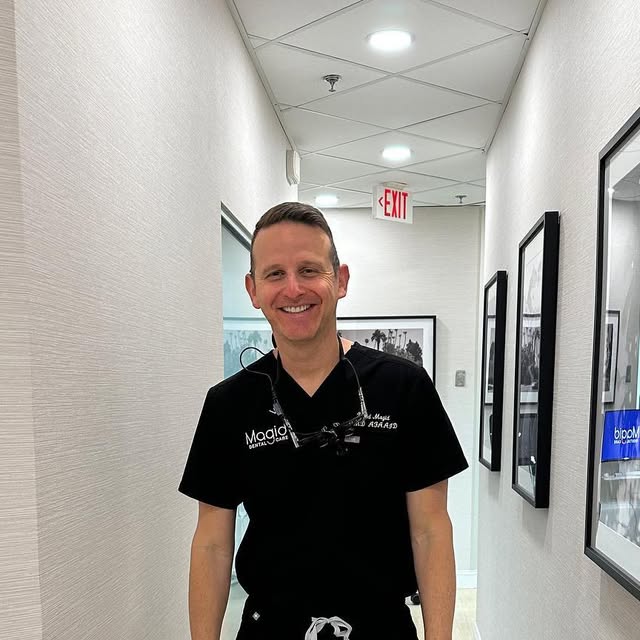
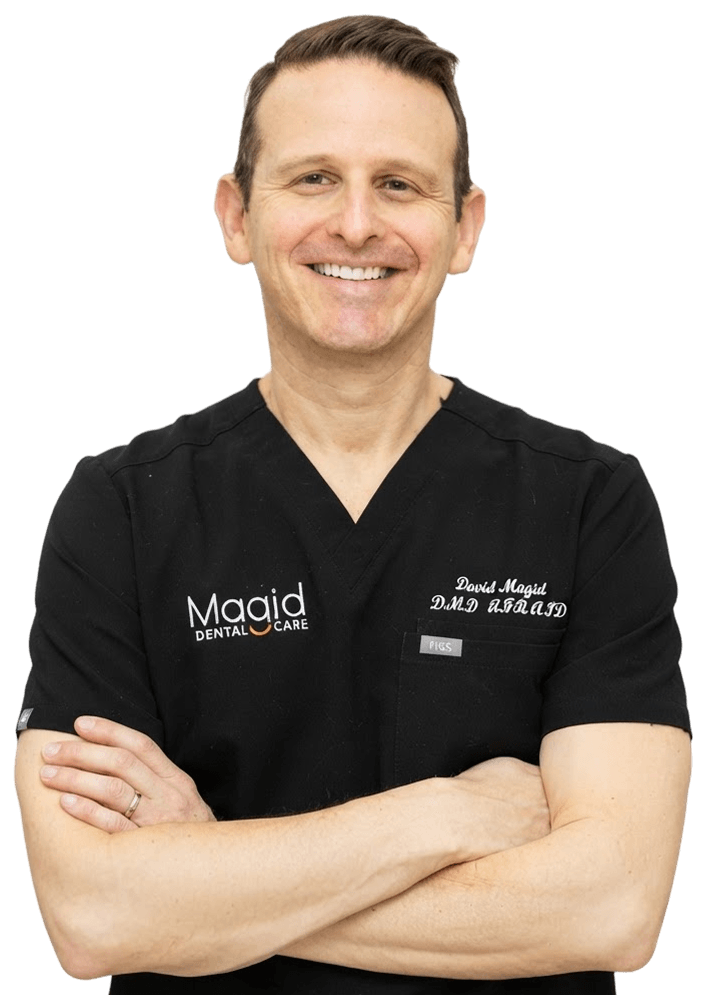
Dr. David Magid
DMD, General Dentist
A University of Pennsylvania School of Dental Medicine graduate with more than 25 years in practice. He prepares the tooth, checks the fit and color at try-in, and cements the crown himself.
Learn MoreWest Caldwell, NJ
A crown is a tooth-colored cap that covers a cracked or broken tooth so you can chew on it again. Dr. David Magid, DMD, prepares the tooth, and a dental lab makes the crown. The consultation is complimentary.
Dental Crowns
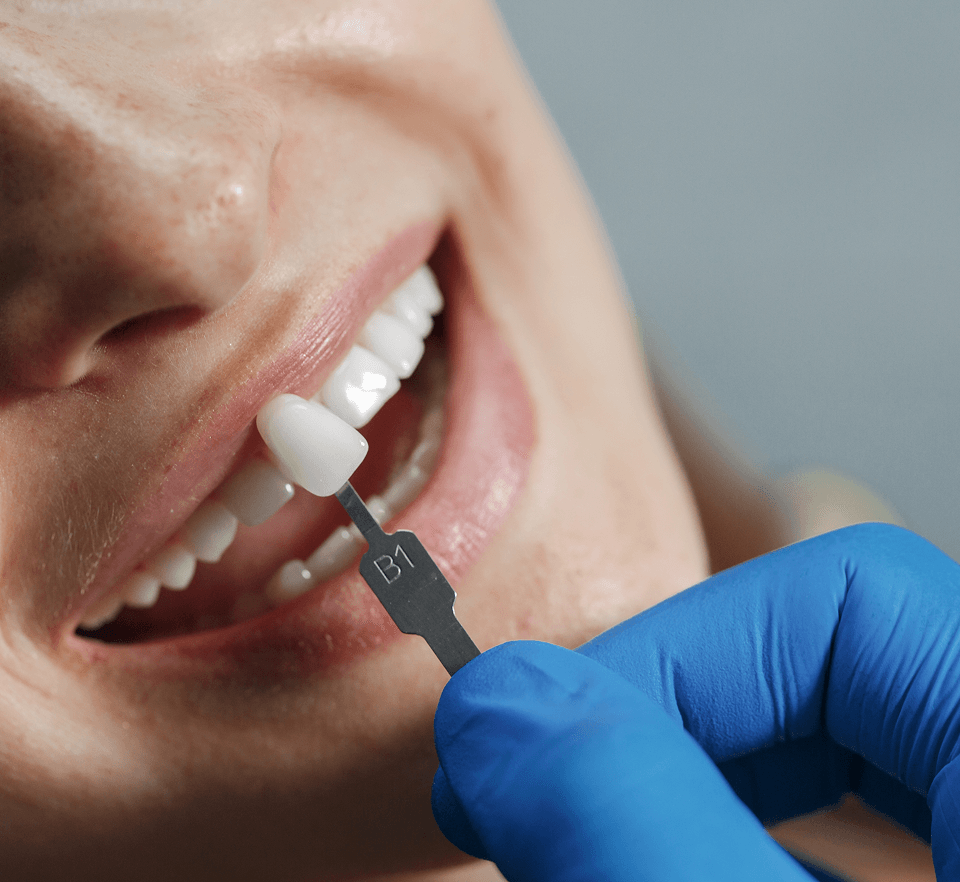
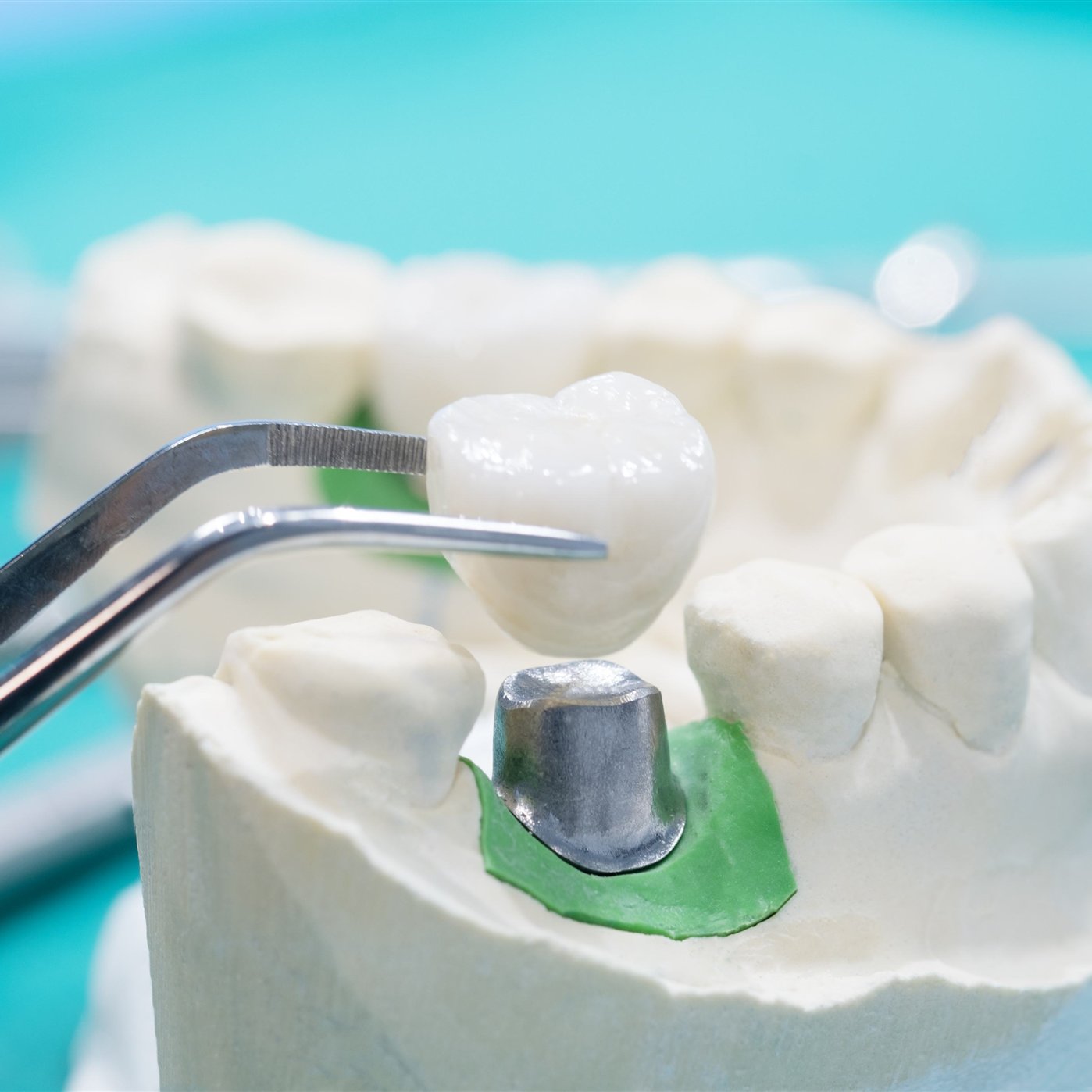
A dental crown is a custom cap that covers a tooth above the gum line, holding what is left of it together so it does not split when you chew. It is the answer when a filling is no longer enough, such as a cracked old filling, a broken corner, a worn tooth, or a tooth weakened by a root canal. A crown also finishes a dental implant and anchors a bridge.
Our crowns are tooth-colored ceramic, made by a dental lab and placed over two visits in most cases. We shape the tooth and take a digital scan at the first, then clean and prime the crown (Ivoclean, then Monobond) before cementing it at the second to help ensure it stays put for years.
Patient Education
When a tooth has lost too much of itself to hold a filling safely: a crack you can feel when you bite, a broken corner, a very large filling, enamel worn down by grinding, or a tooth made brittle by a root canal. A crown holds the tooth together from the outside, while a filling can only sit inside it. Waiting often costs more, because a tooth that splits below the gum line may not be saved.
Not every damaged tooth needs one. A small chip can be bonded, and a discolored front tooth may suit a veneer. Dr. Magid shows you the X-ray and the tooth on the intraoral camera and tells you which he recommends, with a quote, before anything is done.
A Different Dental Experience
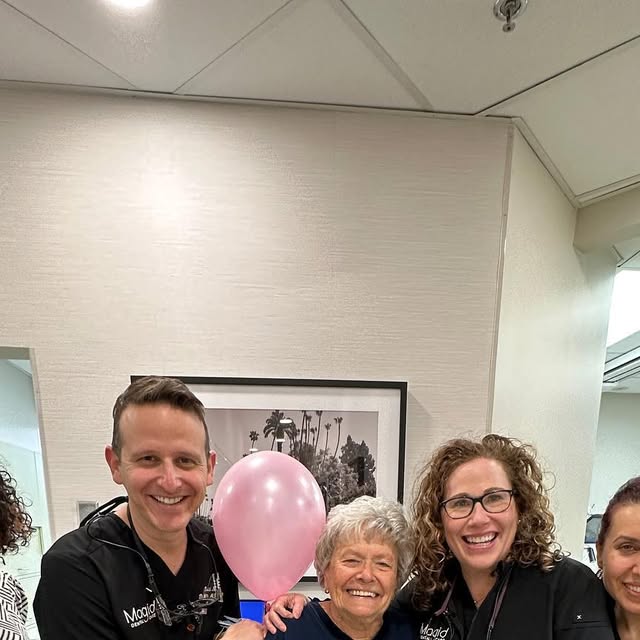
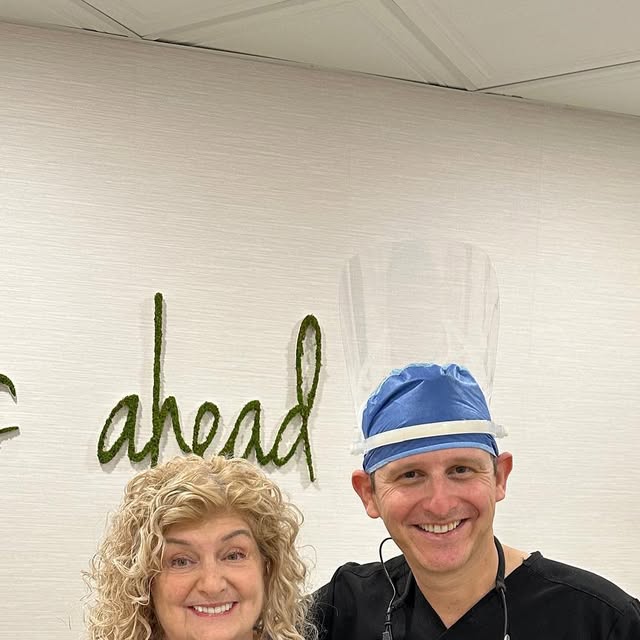
The dentist who prepares your tooth also checks the crown’s fit and bite and cements it himself.
DMD, General Dentist
A University of Pennsylvania School of Dental Medicine graduate with more than 25 years in practice. He prepares the tooth, checks the fit and color at try-in, and cements the crown himself.
Learn More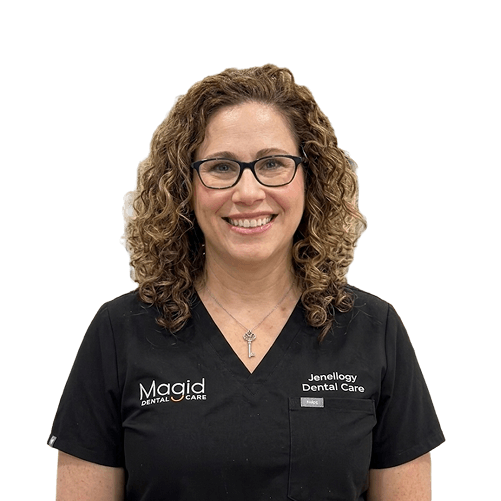
Dental Hygienist
With more than 25 years in dentistry, she's trained in diode lasers and keeps the gum line around your crowns clean at every cleaning, with air polishing.
Learn More
Office Manager
The first voice you hear. She checks your coverage and explains CareCredit and Cherry financing. Trained in dental assisting at Felician University.
Learn More

Benefits
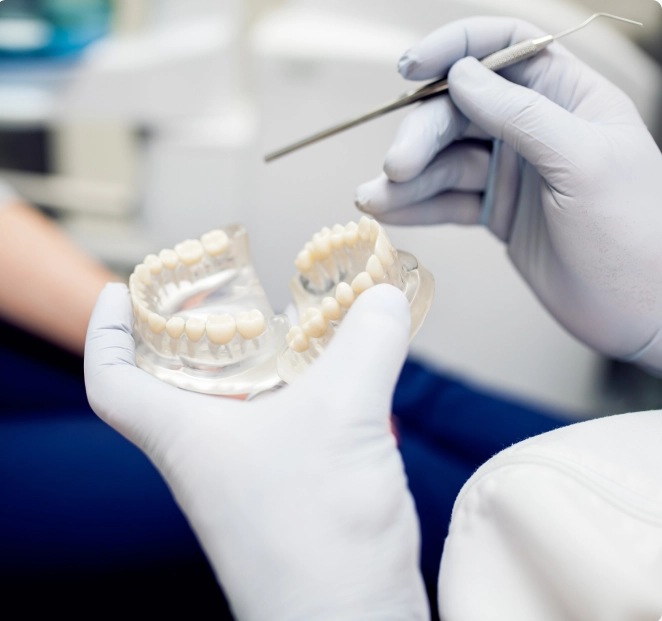
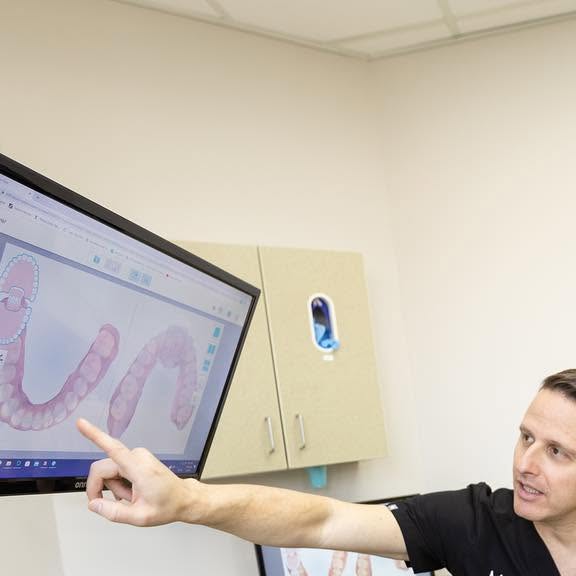
Each crown is made by a dental lab from a digital scan of your prepared tooth and the teeth around it, so the shape, contact points, and color match a real tooth. It takes a second visit.
The try-in leaves a film of saliva that weakens the cement, so the crown is cleaned and primed. The cement then bonds to both the ceramic and the tooth and keeps the edge sealed, where crowns tend to fail.
The shade is chosen against your own teeth and sent to the lab with the scan, so a front-tooth crown blends with the tooth beside it and a molar crown is the right color when you laugh.
A crown that sits a fraction too high takes every chew and can crack or ache. Dr. Magid checks your bite with marking paper at cementing and at follow-ups, and adjusts the crown until your teeth meet evenly.
The tooth is fully numbed for the preparation, and nitrous oxide is available for the visit if you would rather feel relaxed. Oral and IV sedation are options for longer treatment plans.
The same lab-made crowns finish the dental implants placed here and anchor our bridges, so the plan for a tooth that cannot be saved and one that can comes from the same dentist, in the same office.
Our Process
Step 1
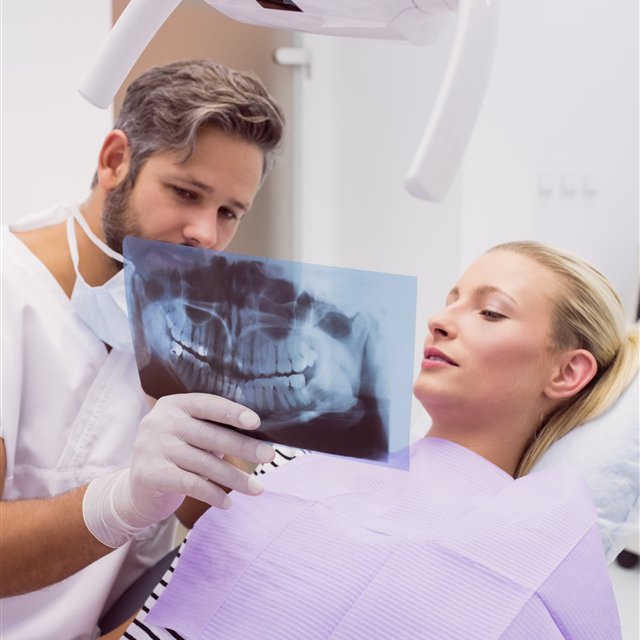
Dr. Magid examines the tooth, takes an X-ray to check the root and bone, and shows you the damage on the intraoral camera. When a crown is the right repair, you receive an itemized quote with your insurance estimate. The consultation is complimentary.
Step 2
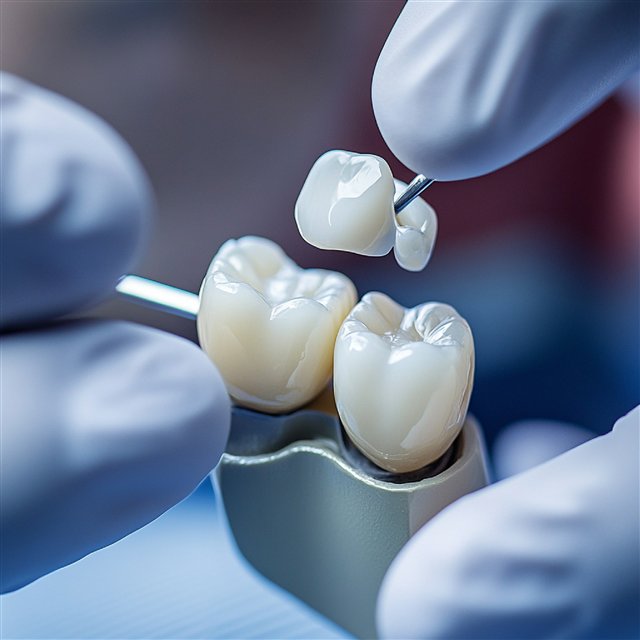
The tooth is numbed and shaped so the crown fits over it, any old filling or decay is removed, and a digital scan goes to the lab. You leave with a temporary crown to protect the tooth and chew on carefully while the lab makes the final one.
Step 3
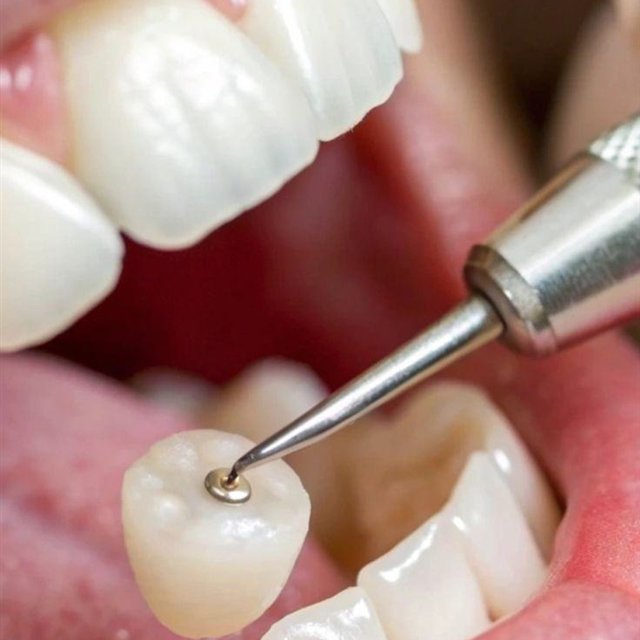
At the second visit, the crown is placed to check the fit, contacts, and color. It is then cleaned to remove the saliva film, primed, and cemented; excess cement is cleared from the gum line, and your bite is checked and adjusted.
Step 4
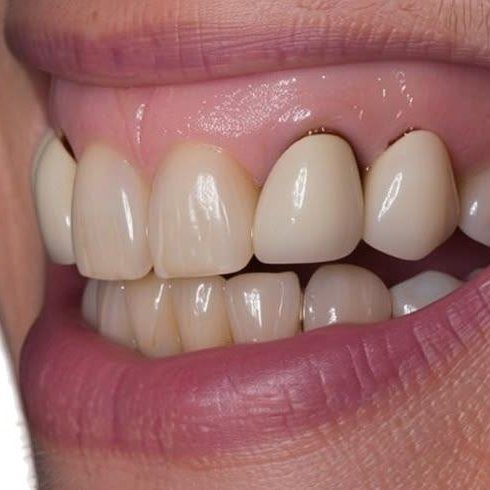
The tooth may be sensitive to cold for a few days, and the bite may need one small adjustment. Brush and floss the crown like a natural tooth, with care at the gum line, keep your six-month checkups, and wear a nightguard if you grind.
FAQ
Learn what a crown costs, how many visits it takes, whether it hurts, how Delta Dental applies, and what to do if one comes off.
One fee covers the preparation, temporary crown, lab-made crown, and cementing visit, while a root canal or build-up is quoted separately. Your itemized quote follows the exam. Without insurance, our discount membership plan takes 15% off, and CareCredit and Cherry spread the cost.
Usually two. At the first visit, the tooth is shaped, scanned, and fitted with a temporary crown, and the lab then makes the final one. At the second, the crown is placed, cleaned, primed, cemented, and adjusted. A root canal or build-up first adds a visit.
Not during treatment, because the tooth is fully numbed before it is shaped. Afterward, it can be sensitive to cold for a few days while it settles, and a bite that feels high is adjusted in minutes. Pain that builds rather than fades means the tooth needs a prompt visit.
Because we are in-network with Delta Dental, its fee schedule applies to your crown and the plan pays its share. We check your coverage first and show the estimated payment and your share on your quote. Other PPO plans are out-of-network, and we file the claim for you.
Many years, often a decade or more, depending on the tooth underneath and the bite on top. Brushing and flossing at the gum line and six-month checkups matter most, and a nightguard protects crowns from grinding. Cleaning and priming before cementing helps keep the edge sealed.
Keep the crown, do not glue it, and avoid chewing on that side. We see lost crowns the same day. When the crown and tooth are intact, we clean, prime, and re-cement it. When the tooth has decayed or broken, we plan a new crown or another repair.

Conveniently Located Near You
Located in a serene colonial medical building on Clinton Road, our office is designed for effortless visits. Enjoy a first-floor suite, free on-site parking, and a wheelchair-accessible entrance, so you can step straight into dental care that is focused on you.

First-Floor Suite

Free On-Site Parking

Wheelchair Accessible