Oral Health Problems Are More Common Than You Think
 By Dr. David Magid3 Minutes Read

Many people are surprised to learn just how common oral health conditions are around the world. Issues like cavities, gum disease, enamel erosion, and oral infections affect millions of people every year, often developing slowly without obvious symptoms at first.
The good news is that many dental problems are highly preventable with good daily habits and regular dental care. Visiting your dentist consistently can help catch small concerns early before they become painful, expensive, or damaging to your long-term oral health.
Here are some of the most common oral health conditions dentists see—and how preventive care can help lower your risk.
Tooth Decay
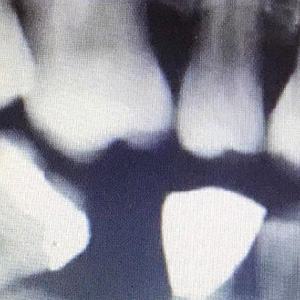
Tooth decay, also known as cavities, is one of the most widespread oral health conditions. Cavities develop when bacteria in the mouth feed on sugars and produce acids that gradually wear away tooth enamel.
Early cavities may not cause noticeable symptoms, but as decay progresses, patients can experience sensitivity, pain, visible holes, or even infection. Left untreated, severe decay may eventually require root canal treatment or tooth extraction.
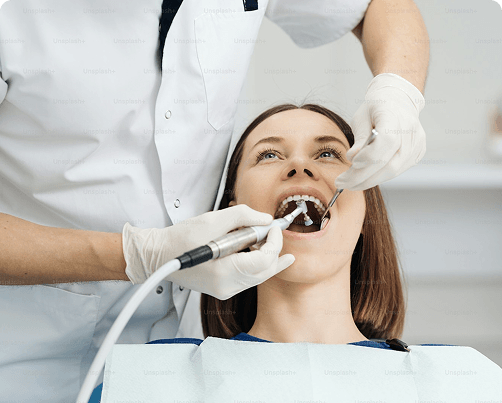
Regular dental cleanings and exams help remove plaque buildup and allow dentists to detect cavities before they become more serious. Daily brushing with fluoride toothpaste and flossing are also essential for protecting enamel.
Gum Disease
Gum disease is another extremely common dental condition, especially among adults. It begins as gingivitis, which causes symptoms like redness, swelling, and bleeding gums. Without treatment, it can progress into periodontitis, a more advanced form of gum disease that damages the tissues and bone supporting the teeth.
In severe cases, gum disease can lead to loose teeth or tooth loss. Research has also linked gum disease to certain overall health concerns, including heart disease and diabetes complications.
Routine dental visits are important because gum disease often develops painlessly in its early stages. Professional cleanings remove hardened plaque and tartar that cannot be eliminated through brushing alone.
Tooth Sensitivity
Many people experience tooth sensitivity at some point in their lives. Sensitivity often occurs when enamel becomes worn down or when gum recession exposes the softer root surfaces underneath.
Hot drinks, cold foods, sweets, or even cold air may trigger discomfort. Common causes include aggressive brushing, teeth grinding, cavities, cracked teeth, and acidic diets.
A dentist can help identify the underlying cause of sensitivity and recommend treatments to strengthen and protect your teeth before the problem worsens.
Bad Breath
Occasional bad breath is normal, but persistent bad breath—also called halitosis—may signal an underlying oral health issue. Poor oral hygiene, gum disease, dry mouth, cavities, and oral infections are all possible contributors.
Regular dental visits can help identify the source of chronic bad breath while also improving oral hygiene through professional cleanings and personalized recommendations.
Staying hydrated, brushing your tongue, flossing daily, and maintaining regular cleanings can all help keep your breath fresher.
Oral Infections and Mouth Sores
Mouth sores, oral infections, and fungal conditions can develop for many reasons, including irritation, stress, illness, or weakened immune function. While many sores heal on their own, some persistent lesions may require professional evaluation.
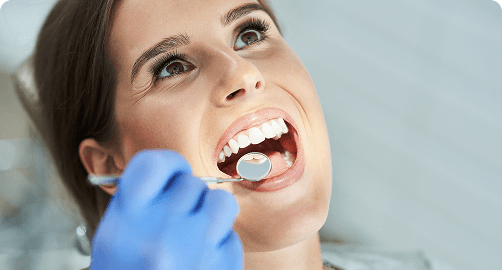
Dentists are trained to recognize abnormal changes in the mouth and can help determine whether treatment is necessary. Routine oral exams also play an important role in detecting potentially serious conditions early.
Prevention Is the Best Protection
Many oral health conditions become far easier to treat when caught early. Unfortunately, dental problems often worsen quietly before symptoms become noticeable.
That’s why preventive dentistry is so valuable. Regular exams, cleanings, and early intervention can help reduce your risk of cavities, gum disease, infections, and other common concerns while helping you maintain a healthier smile for years to come.
Consistent preventive care is one of the simplest and most effective ways to protect both your smile and your overall health.
About the Practice
At Magid Dental Care, patients receive comprehensive, prevention-focused dental care designed to support long-term oral health and overall wellness. Led by Dr. Magid, a dedicated dentist committed to patient-centered care, the practice emphasizes early detection, education, and minimally invasive treatment whenever possible. Dr. Magid’s approach focuses on building strong patient relationships while helping individuals understand and prevent common dental conditions before they become more serious. Patients can learn more about maintaining healthy smiles through preventive dentistry services.
Call us at 973-227-9211 or schedule your appointment online.
About the Author
Dr. David Magid has more than 25 years of experience in dentistry and provides personalized care across general, cosmetic, and implant dentistry.
Dr. Magid combines comprehensive dental care with modern technology and an individualized approach to help patients maintain healthy, confident smiles.