Oral Cancer 101: What to Know for a Healthy Smile
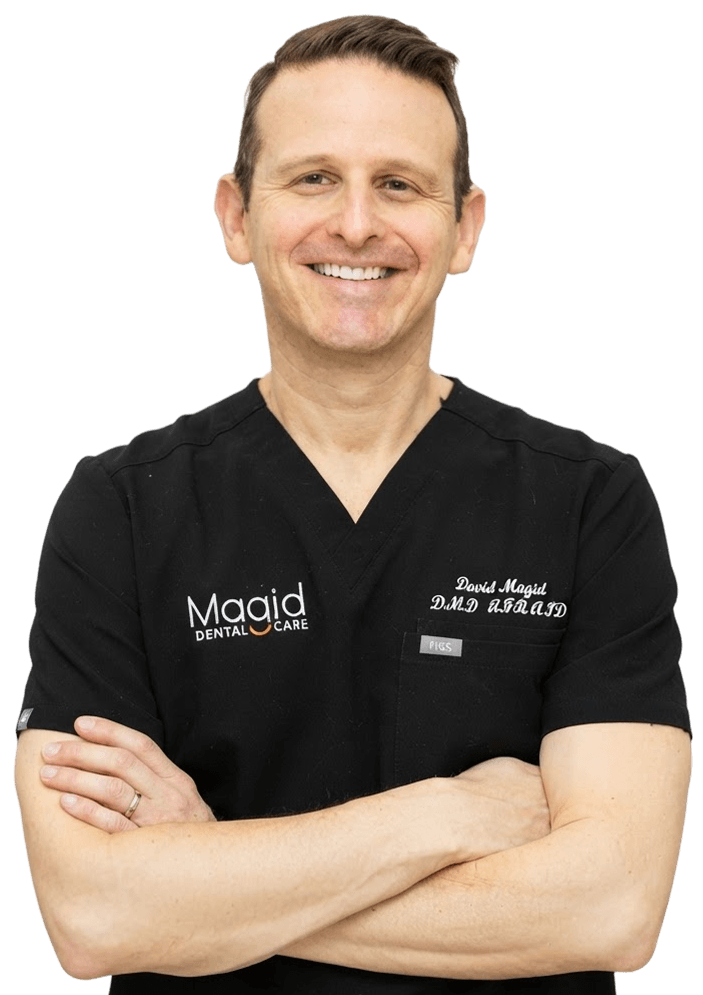 By Dr. David Magid2 Minutes Read

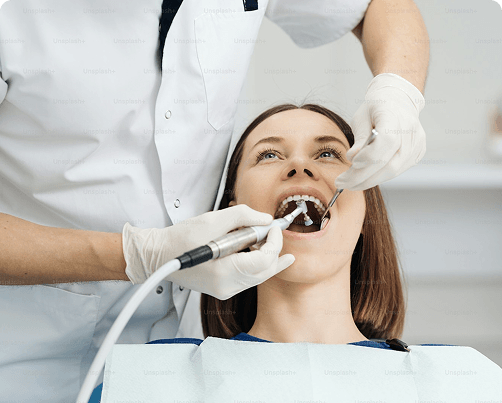
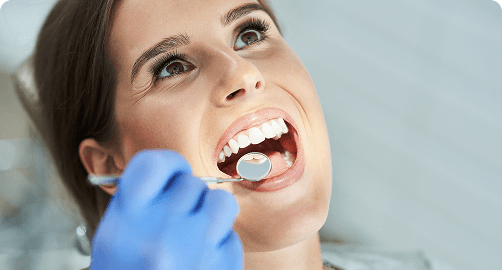
Even though life can be nonstop, it’s essential to tend to your health before anything becomes a major issue. By attending your dental checkups and cleanings every six months, you are not only keeping your smile in top condition but preventing any oral health issues from developing into something more serious. While your dentist is checking for early signs of tooth decay and gum disease, they are also looking for symptoms of oral cancer. By detecting this disease in its early stages, you can receive the necessary treatment to keep it from spreading. Read on to learn about the risk factors and symptoms of oral cancer.
What Are the Risk Factors for Oral Cancer?
It’s estimated that nearly 54,000 new cases of oral cancer are diagnosed in the United States every year. The most significant risk factor is tobacco use. Studies have revealed that people who smoke or use chewing tobacco are more likely to develop cancer in their mouths, with the chances increasing with how often they partake in the habit.
However, there are other risk factors to be aware of, including:
- Gender: Men are twice as likely as women to develop oral cancer.
- Age: The majority of oral cancer patients are over the age of 55.
- Weight: Research has found that excess body weight may increase the risk of cancer in the throat area near the back of the mouth.
- Poor nutrition: People who don’t eat enough fruits and vegetables may be at a greater risk of suffering from oral cancer.
- UV light: Unprotected sun exposure can increase the risk of developing cancer on your lips.
- HPV infection: In the past few decades, there has been an increasing number of oral cancer cases linked to HPV.
What Are the Symptoms of Oral Cancer?
In addition to attending your dental checkups every six months, you can be proactive in your oral health by being familiar with the warning signs of oral cancer. This can help you catch it in its early stages. Common symptoms of oral cancer include:
- Sores in the mouth that don’t heal within two weeks.
- Patches of discolored soft tissue.
- Unusual lumps or hard spots.
- Odd growths (tissue that is raised above the surrounding area).
- A lump that can be felt on the outside of the neck that lasts two weeks or more.
- Areas that bleed easily when touched.
Keep in mind, nothing should replace an oral cancer screening from your dentist. Since it is a normal part of every dental checkup, it will be another thing to conveniently check off your list as you care for your health. Your dentist not only will help keep your smile radiant, but also help keep your oral health in top condition!
About the Author
Dr. David Magid and his team at Magid Dental Care keep the smiles of West Caldwell healthy and beautiful. He earned his Doctor of Dental Medicine from the University of Pennsylvania School of Dental Medicine and then completed a one-year Advanced Education in General Dentistry residency at Columbia University. With a focus on providing high-quality dental care and exceptional service, he offers a comprehensive range of dentistry to keep your oral health in top condition. To schedule an appointment, contact him through his website or call (973) 227-9211.
About the Author
Dr. David Magid has more than 25 years of experience in dentistry and provides personalized care across general, cosmetic, and implant dentistry.
Dr. Magid combines comprehensive dental care with modern technology and an individualized approach to help patients maintain healthy, confident smiles.