Can I Drink Alcohol After a Tooth Extraction?
 By Dr. David Magid2 Minutes Read

No one looks forward to a tooth extraction, but sometimes this procedure is necessary to preserve the health of the rest of your smile. After your procedure, it is important that you closely follow your aftercare instructions to promote quick, effective healing. However, many patients wonder if they can enjoy an alcoholic drink or two during the recovery period. Continue reading to learn why it is best to wait.
Why Shouldn’t You Drink Alcohol After a Tooth Extraction?
As you are relaxing at home after your tooth extraction, having a glass of wine or an ice-cold beer may sound like a nice way to wind down before bed. However, this can be harmful to the recovery process. It’s super important that a blood clot forms at the extraction site, and this can take some time. Alcohol can affect your blood’s ability to clot, increasing your risk of dry socket.
How Long Do You Need to Wait Before Drinking Alcohol?
You should follow your dentist’s instructions on when it is safe to consume alcohol again after your procedure. Usually, it’s best to wait 7 to 10 days for the wound to heal. You should also consider the medications you are taking for pain before consuming alcohol. Many pain-relievers and alcohol have poor reactions, leading to dangerous adverse effects. Because of this, it is a good idea to wait until you are no longer taking pain relievers before drinking alcohol.
6 Tips to Promote Optimal Healing
Here are some other steps you should take after your tooth extraction to promote optimal healing and comfort:
- Get plenty of rest following your procedure.
- Use an ice pack on your cheek to reduce swelling.
- Avoid rinsing your mouth vigorously – you don’t want to dislodge the blood clot.
- Don’t use straws after your surgery.
- Abstain from smoking or using tobacco products for at least three days following your procedure.
- Stick to soft, nutritious foods as the area heals.
As you heal from your extraction, it’s best to avoid alcohol altogether. This way, you can help the area heal as quickly and comfortably as possible!
About the Author
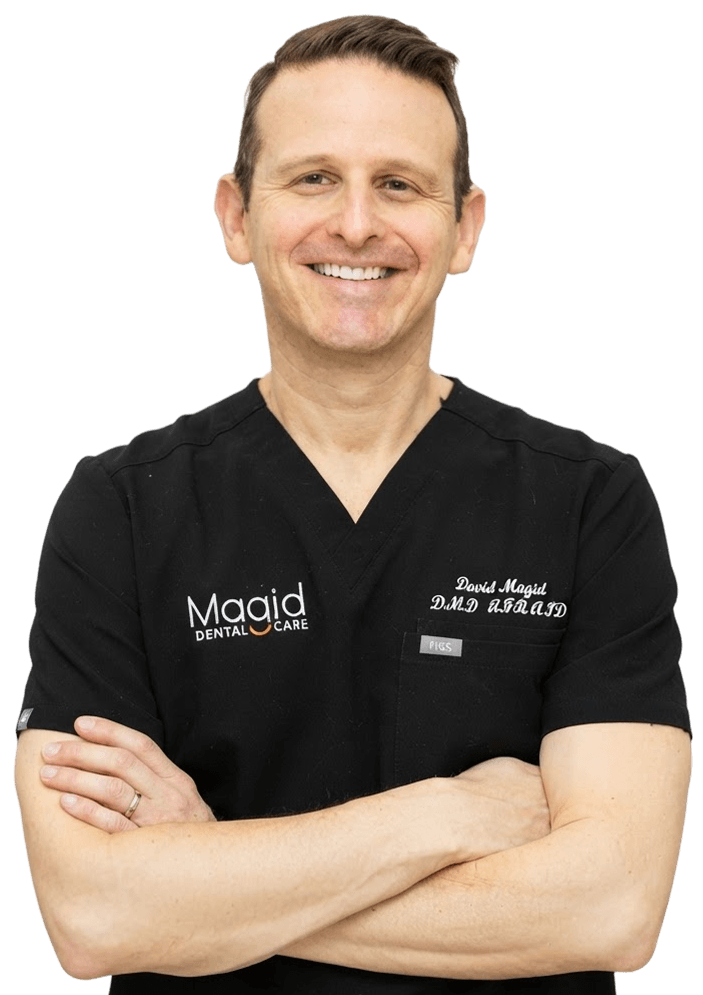
Dr. David Magid has been working in the field for more than two decades. He earned his Doctor of Dental Medicine (DMD) degree from the University of Pennsylvania School of Dental Medicine. He completed a one-year Advanced Education in Dental Dentistry residency at Columbia University. Currently he is a proud member of the Academy of General Dentistry. He also earned a Fellowship from the American Academy of Implant Dentistry. To learn more about tooth extractions or to schedule an appointment, visit his website or call (973) 227-9211.
About the Author
Dr. David Magid has more than 25 years of experience in dentistry and provides personalized care across general, cosmetic, and implant dentistry.
Dr. Magid combines comprehensive dental care with modern technology and an individualized approach to help patients maintain healthy, confident smiles.