Are Cavities a Concern for Dental Implants?
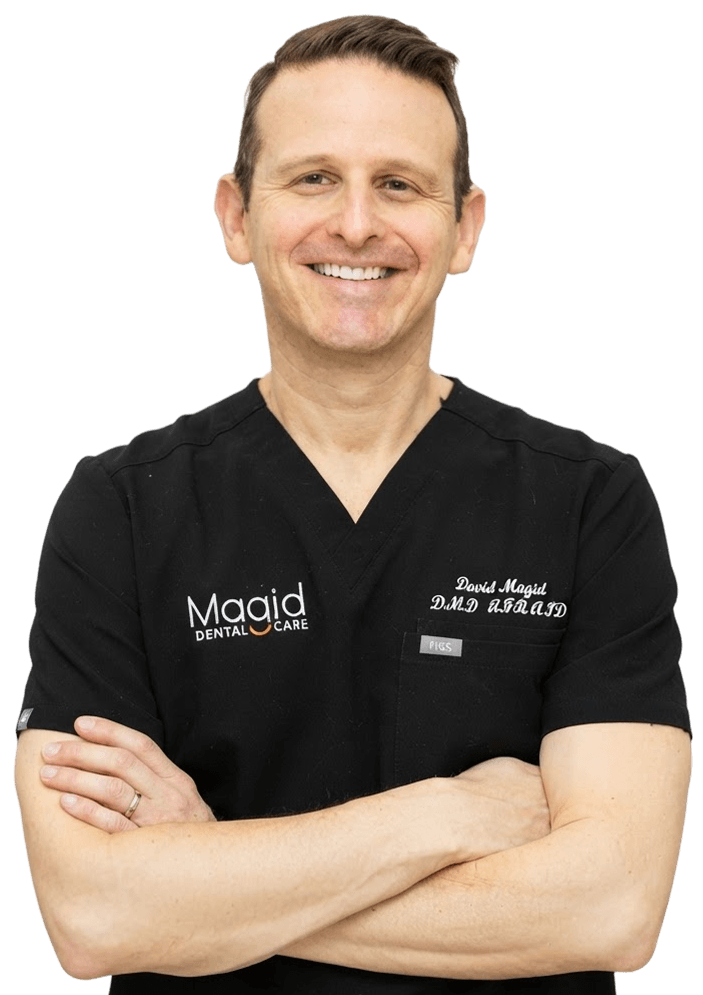 By Dr. David Magid3 Minutes Read

If you’ve been thinking about dental implants, you may already know how much like your natural teeth they can be. Sturdy, life-like, and aesthetically pleasing, dental implants are the best replacement for lost teeth. But can they get cavities?
If you want to learn more about dental implants and how the plaque that causes cavities can affect them, read on.
What Are Dental Implants?
Dental implants are a highly effective solution for replacing missing teeth. They consist of three main components: an implant post, an abutment, and a prosthetic tooth called a crown.
The post is made of titanium so that it can fuse with your jawbone after being implanted. A special attachment point called an abutment is added to this post where it sticks out over the gumline.
After your gums heal from the initial implant procedure, the crown is attached to the abutment. This creates a new permanent tooth that restores the function of your bite.
Can Dental Implants Get Cavities?
The crowns of dental implants are not susceptible to cavities. This is because they are typically made from materials like porcelain that are resistant to decay and have no organic structures.
Unlike natural teeth, dental implants don’t have enamel which is the outer layer of normal teeth that can be eroded by cavities. However, just because implants can’t get cavities, doesn’t mean they aren’t vulnerable to other types of infection.
The bacterial plaque that causes cavities can cause gum disease around dental implants without proper maintenance.
As the bacteria make their way into the tissues surrounding the implant, your gums become infected and begin to become weak. This infection can eventually spread to the bone holding your implant, potentially causing it to fail and fall out.
How Do You Take Care of Dental Implants?
Maintaining excellent oral hygiene is key to the long-term success of dental implants. Below are some tips for maintaining your oral hygiene to reduce the possibility of implant failure:
- Brush and Floss – Brush your teeth at least twice a day and floss daily to remove plaque and food particles. Use a soft-bristle toothbrush and non-abrasive toothpaste to avoid damaging the crown.
- Use Mouthwash – Your dentist may recommend an antimicrobial or fluoride mouthwash to help control bacteria and strengthen the teeth surrounding your implant.
- Avoid Tobacco – Smoking and using tobacco products can increase the risk of implant failure. Quitting tobacco altogether is the best solution for the health of your mouth and body.
- Eat a Balanced Diet – Consume a diet rich in fruits, vegetables, and dairy products to support overall oral health. Limit sugary and acidic foods and beverages, as they can activate the bacteria in plaque and cause more problems.
- Schedule Routine Dental Checkups – Visit your dentist at least every six months for regular checkups and professional cleanings. Your dentist can assess the health of your dental implants and identify any potential issues early.
Although unsusceptible to cavities, dental implants must have the right care to last for decades. There’s a reason why they’re highly recommended as the treatment of choice for tooth loss. By following a thorough oral care routine and making health-conscious decisions, you can help ensure the longevity of your dental implants.
About the Practice
Dr. David Magid has over twenty years of experience in the field of dentistry. His practice focuses its efforts on the comfort of every patient, getting them out of pain and restoring their confidence. Dr. Magid earned his Doctor of Dental Medicine degree from the University of Pennsylvania School of Dental Medicine, immediately completing three additional years of residencies before earning Fellowship status in the American Academy of Implant Dentistry. To schedule a dental implant consultation at Magid Dental Care, call (973) 227- 9211 or visit the website to learn more.
About the Author
Dr. David Magid has more than 25 years of experience in dentistry and provides personalized care across general, cosmetic, and implant dentistry.
Dr. Magid combines comprehensive dental care with modern technology and an individualized approach to help patients maintain healthy, confident smiles.